
According to Planned Parenthood HPV is one of the most common STD’s. Human Papillomavirus (HPV) is a sexually transmitted disease, however it is one of the very few that a vaccine exists for. Specifically, HPV is a viral infection that commonly causes mucous membrane growths or warts. There are over 100 strains of HPV, making it extremely hard to create an all-encompassing vaccine.
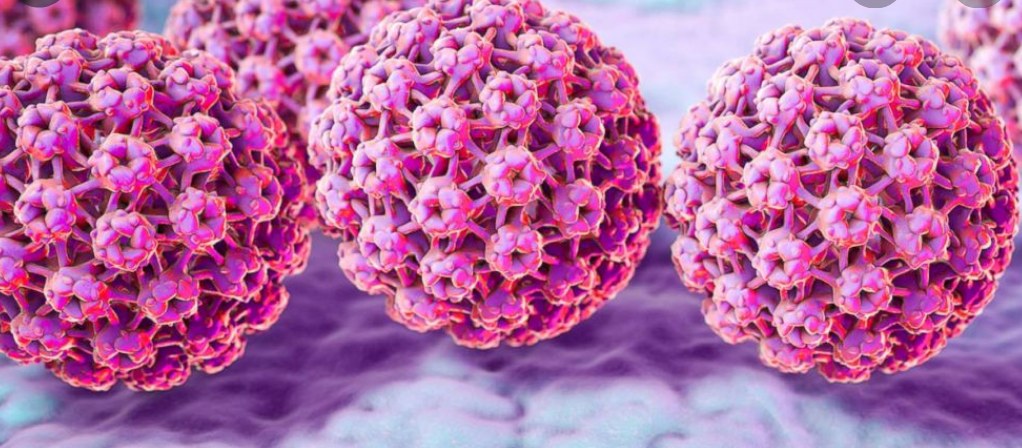
The HPV vaccine helps protect against certain types of HPV, specifically those that can cause cancer or genital warts. Typically the vaccine is given in two doses, one during adolescence (age 11-12) and one 6-12 months after the initial vaccine. When the vaccine was first released, there were many skepticisms about it. The public was unsure as to how scientists could know that the vaccine could prevent cervical cancers.
According to HPVvaccine.org, over 10 million doses of the new HPV vaccine, Gardasil 9, have been given in the US in the past year. Gardasil 9 was studied in more than 13,000 females and males before it was registered for use. The original HPV vaccine (Gardasil) was tested on more than 20,000 females in 33 countries and 4,000 males in 18 countries before it was approved for use. “The trials did not seek to prove that the vaccine prevents cervical cancer. This is because it would not have been ethical to allow cervical cancer to develop in the group who did not receive the vaccine in the trials (the placebo or control group). However, the original trials showed that the vaccine is almost 100% effective in preventing abnormalities in cells in the cervix caused by cancer-causing HPV types 16 and 18. These abnormalities are a proven pre-cursor to cervical cancer.”
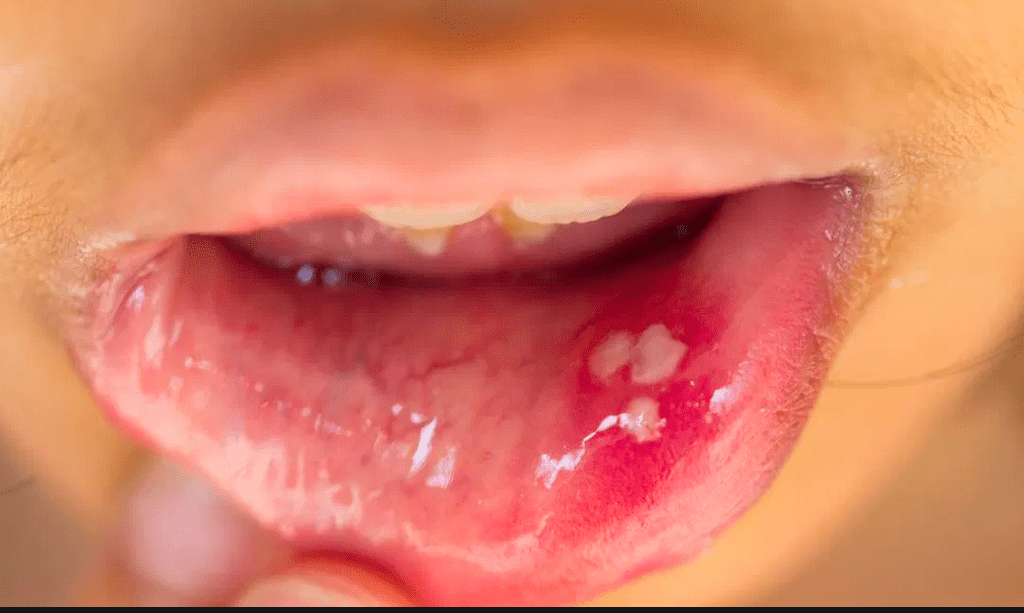
Some people have argued that there is no reason to get the vaccine or that if children do get the vaccine, they may become sexually active earlier than if they hadn’t. I don’t really agree with this logic, because as Dr. Cramer would say, I would rather have some protection than no protection. One article from the Journal of the National Cancer Institute claims that the Costa Rica HPV Vaccine trial found that there was cross-protection of the bivalent HPV vaccine against HPV strains 31,33 and 45. I feel that this indicates the importance of vaccination, because we never know how a vaccine could protect us against similar versions of a disease.
One article that I found interesting was one that tracked negative propaganda on HPV and its effects on the rate of people who received the vaccine. During the period where there was negative media coverage of the vaccine, the rate that people got it decreased. However, the Danish vaccination program has successfully weathered a decline in HPV vaccines.
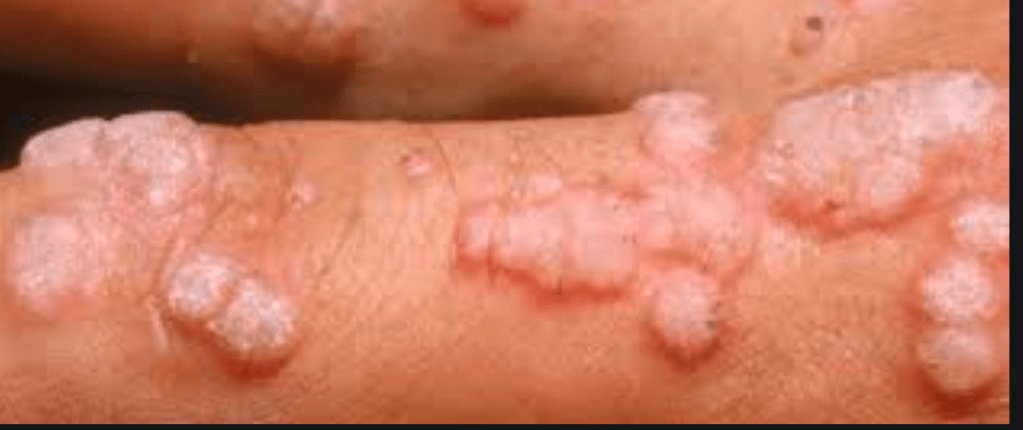
Overall, I think its not wise to not get the HPV vaccine. Some believe that the vaccine can have negative effects, and some effects (such as sequalae associated with the vaccine) are less common, than getting cervical cancer or genital warts that result if one were to go unvaccinated. Honestly, I would take my chances because genital warts do not look fun.

 Madison's Microbiology Masterpiece