
Herpes simplex virus is a sexually transmitted virus that is very common. It is categorized into either herpes type 1 which is oral herpes, or herpes type 2 which is genital herpes. In HSV-1 there are sores around the mouth area. In HSV-2 the infected person can have sores around their genitals and rectum.
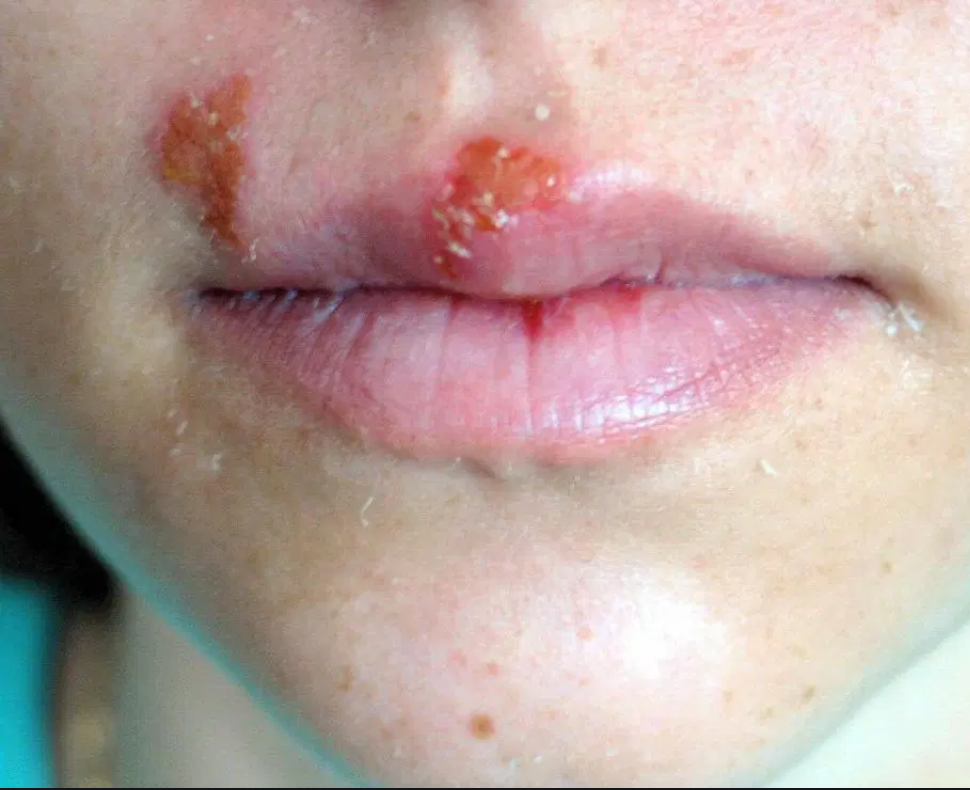
According to WHO, HSV-1 is the more easily transmitted virus. It can be transmitted through oral secretions from the sores, kissing or sharing object subjects such as toothbrushes or eating utensils. Healthline states, children will often contract HSV-1 from contact with an infected adult (kissing a baby on the face or mouth). One article from the American Journal of Obstetrics Gynecology discusses the implications of placental transfer of herpes viruses. This virus is latent, and flare-ups can occur often or very few times because of medication. HSV-2 infections can only occur from direct sexual contact with someone who has genital herpes (HSV-2).
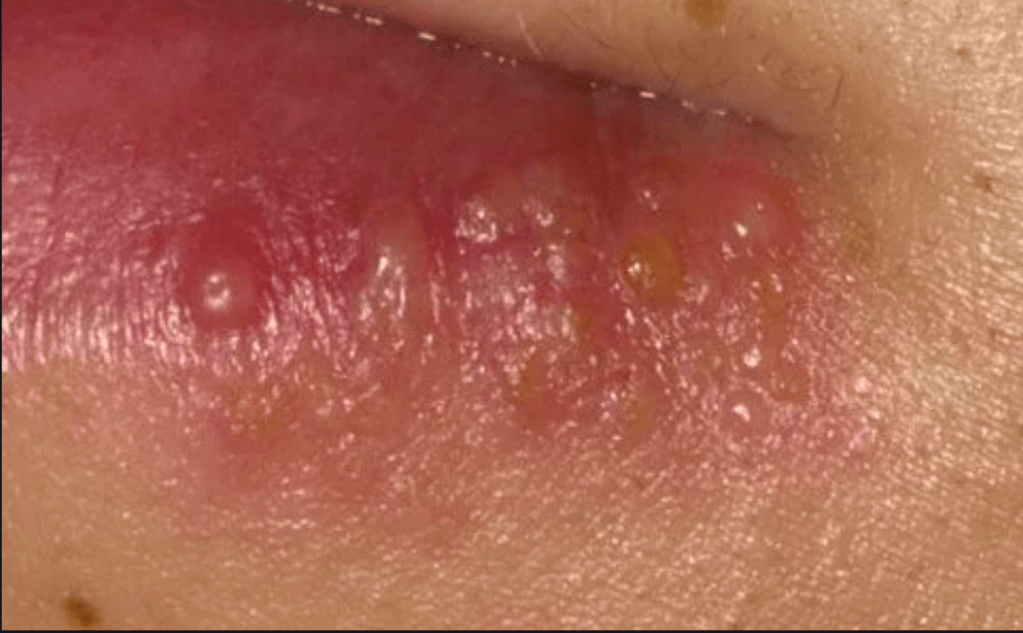
However, with herpes viruses, once one contracts the virus, it is with them forever. If a pregnant woman has a herpes outbreak in any time during childbirth, she could risk exposing the baby to both types of HSV. The CDC also states that it is important to understand that someone may not have visible sores or symptoms and still can be infected with the virus, meaning that they can transmit it to other individuals.
Healthypeople.gov discusses how STD’s like HSV-1 and HSV-2 can be easily prevented. The authors of the article claim that STD’s are a significant problem in the United States, and is largely unrecognized by the public, policymakers and health care professionals. They claim that this is important to recognize because 20 million new STD infections occur each year. One of the most common infections, herpes, often goes unreported, and the numbers of these types of infections is much more than expected.

It is important to understand some of the factors that affect the transmission of this kind of sexually transmitted disease. Some people can be asymptomatic carriers, as stated before. Women can also be more prone to suffer from STD’s as well as young adults. Many racial and ethnic groups ( African American , Hispanic and American Indians) have higher rate of contracting STD’s because of ties with health status, poverty and limited access to health care. There are even claims from PlannedParenthood that sexuality and secrecy can contribute to the spread of sexually transmitted diseases. Specifically, in LGBTQIA+ communities there can be more secrecy involved in sexual relationships for various reasons.
Planned Parenthood provides a simple explanation to how one can contract herpes, and the steps one should take following that. I believe Planned Parenthood is one of the strongest resources young people have when it comes to taking care of their own sexual health. It gives you all the facts that you need to know regarding your general sexual health (without going to the doctor) and provides local resources that can help with STD’s such as herpes. Those at Planned Parenthood work even harder at prevention more than anything. They also have articles about how to cope with life mentally, emotionally, and physically after contracting some of these diseases.

I feel we as young people have made the conversation about STD’s and STI’S taboo, because sex for our parents and grandparents’ generation was unspeakable, but now I can see my generation opening up to ideas about sex and sexuality that have allowed us to be a lot safer. I just hope that this trend continues as the years go on.

 Madison's Microbiology Masterpiece