This is the first post on my new blog. I’m just getting this new blog going, so stay tuned for more. Subscribe below to get notified when I post new updates. I’m a Sophomore nursing major. I love watching body builders on youtube. I’m on KETO. Singing is my passion and I love watching On My Block on Netflix. Yall should check it out. Recently I’ve began volunteering at the hospital cuddling babies!
Peep this picture of Osmosis Jones. The OG germ killer.
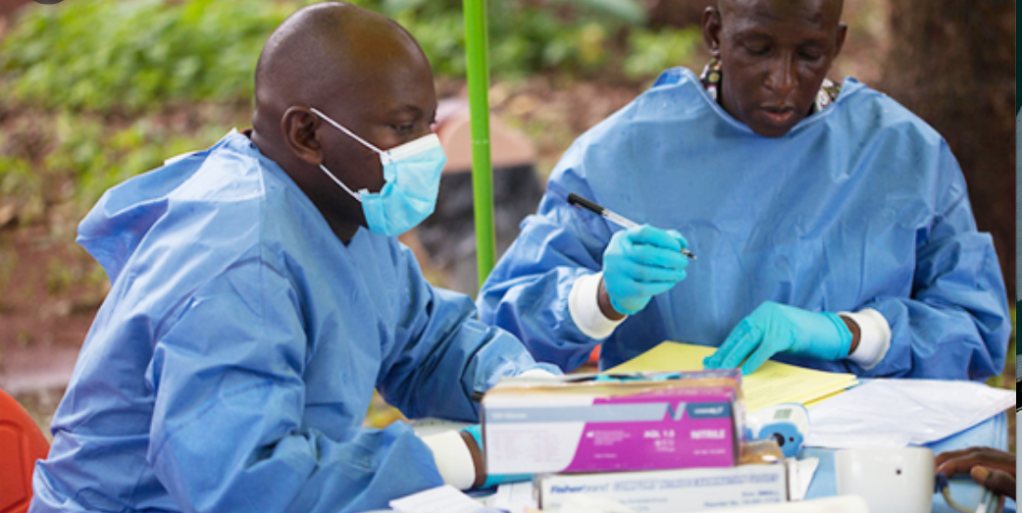
One really cool feature of WHO’s website is being able to see the disease outbreaks by the year. Despite all the hysteria with the COVID-19, I was surprised to see the that there was outbreaks of other diseases. One of the outbreaks was occurring in the Democratic Republic of Congo was an outbreak of Ebola. The outbreak dates back to as early as January of 2015.
Ebola virus disease (EVD) is a disease with occasional outbreaks that have occurred primarily in the African continent. EVD is a zoonosis, and most commonly affect people and nonhuman primates (monkeys, gorillas, chimpanzees). There are many different serotypes within the genus Ebolavirus. These serotypes include Ebola virus, Suda virus, Tai Forest virus, Bundibugyo virus, Reston virus, and Bombali virus. The only four of the Ebola, Sudan Tai Forest and Bundibugyo viruses are the only four of the viruses that can cause human disease.
The CDC states that the Ebola virus was discovered in 1976 near the Ebola River in what is now the Democratic Republic of Congo. Since its discovery the virus has been causing infectious outbreaks in several African countries. The virus can be spread through vectors, specifically bats and primates. It can also be spread to people through the direct contact with the blood, body fluids or tissues of these animals.
The CDC reports that there were fourteen new confirmed cases from January 8th through the 14th. This makes a total of 40 confirmed cases since December 25th, 2019 in the recent outbreak and 3288 confirmed cases within the region. The region has been able to curb the rise of the Ebola outbreak because of an FDA approved vaccine called the rVSV-ZEBOV. This vaccine is specifically only for the Zaire ebolavirus species of ebolavirus. There is no antiviral drug licensed by the FDA to treat EVD in people. The new drugs that are currently being developed are meant to stop the virus from making copies of itself.
The Center for Disaster Philanthropy claims that this outbreak was the second-largest and second-deadliest Ebola outbreak. The Democratic Republic of Congo who continue to provide ongoing support to Ebola Treatment Centers. They report that the overall case fatality ratio is 66%.
I chose to do this disease because it was a disease that was similar to COVID-19 because it was highly popularized within the media. Many people knew about the virus and there was a lot of speculation about the virus. One thing that is interesting to is the treatment of blacks when an outbreak occurs. The U.S was very quick to shut its borders to African travelers and officials, yet during the COVID-19 outbreak they were slow to do so, which is one of the reasons we are in the situation we are in now. I feel like this shows how racism can play a role in the transmission of these diseases and the societal impacts. Not to say the Asians and Asian-Americans have not received any racist remarks and attack on the individual and national levels, but this is an example of how diseases like Ebola, that are associated with Africa are taken more seriously than other diseases. Disease has no race, people are dying.
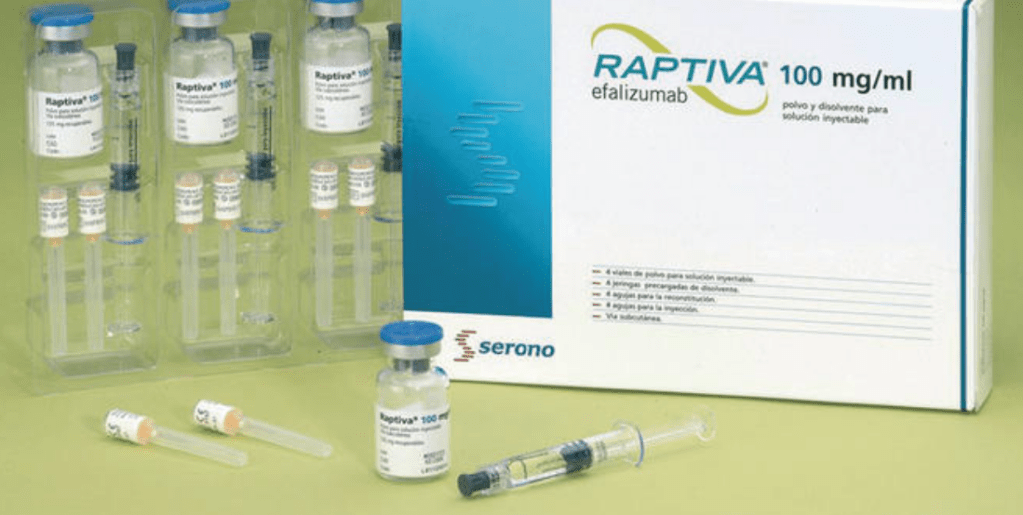
There are many drugs being marketed today to help treat disease. One of these drugs is called Raptiva, and it is used to treat psoriasis. According to Mednet antibodies are proteins produced by the body’s immune system in response to antigens, which are harmful substances. In more basic terms, the body’s immune system creates proteins when we are infected by a bacteria or virus that can help our body fight off this infection. Antigens can be more than bacteria or viruses, they can also include fungi and parasites such as worms.
Due to modern technology, scientists are able to produce antibodies like the ones naturally made in our body in a lab. These synthetic antibodies are used in many scenarios. One scenario is when the man-made antibodies are synthesized from cloned immune cells, and the monoclonal antibody that is made binds to one kind of antigen. Researchers can design antibodies that are specific to an a target antigen. They can make many copies of these, which are known as monoclonal antibodies of MABS.
According to Cancer.org, there are four ways that mabs can be made. These include murine, chimeric, humanized and human. Murin mabs are made from mouse proteins and the names of the treatments end in -omad, Chimeric mabs are made from a combination of part mouse and part human proteins and the names of the treatments end in -ximab. Humanized mabs are made from small parts of mouse proteins attached to human proteins and the names of the treatments end in-zuamb. Human mabs are fully human proteins and the names of the treatments end in -umab.
An example of a drug on the market is Efalizumab (Raptiva). It is used for the treatment of psoriasis. Psoriasis according to WebMD is a skin disorder that causes skin cells to multiply at higher rates than normal. This can lead to the skin being bumpy, red, and have patches covered with white scales. The increased production of skin cells is thought to be associated with the immune system, specifically lymphocytes. Lymphocytes are activated by adhering to other cells through their receptors on the surface of the cell. Efalizumab blocks one of these receptors on the lymphocyte, preventing it from adhering and thereby preventing the activations of lymphocytes responsible for psoriasis.
Raptiva has many side effects, it increases the risk of profressive multifocal leukoencephalophathy (PML) and risk of serious infections. PML is a progressive viral infection of the CNS that had no known treatment and can lead to death and severe disability. It also increases the risk for infections like bacterial sepsis, viral meningitis, invasive fungal disease, and other opportunistic infections. This indicates that taking this mab can decrease the functioning of the immune system and decrease the normal microbiota, increasing the risk for opportunistic infections. According to the FDA the drug contributes to the initiation and maintenance of multiple processes, including activation of T lymphocytes, adhesion of T lymphocytes to endothelial cells and migration of T lymphocytes to sites of inflammation on psoriatic skin. The FDA also states “In psoriatic skin, ICAM-1 cell surface expression is upregulated on endothelium and keratinocytes. CD11a is also expressed on the surface of B lymphocytes, monocytes, neutrophils, natural killer cells, and other leukocytes. Therefore, the potential exists for RAPTIVA to affect the activation, adhesion, migration, and numbers of cells other than T lymphocytes”
It is a very good thing that Raptiva was pulled off the market because it made individuals very susceptible to infections. In 2009, the FDA reported that there had been 3 deaths due to PML, after which it was pulled off the marked. They did not allow new prescriptions to be filled. I feel the drug is not worth it because the risk of infection is very high and the infections that are most common are often fatal.
Not going to lie. I’m kind of sick of going to class and hearing about Covid-19, turning on the news and hearing about Covid-19, looking on my phone and seeing Covid-19 and now I have to write another blog post about Covid-19. I’m not trying to sound like I don’t care because this is a super serious issue, but I think I’m tired of writing about it.
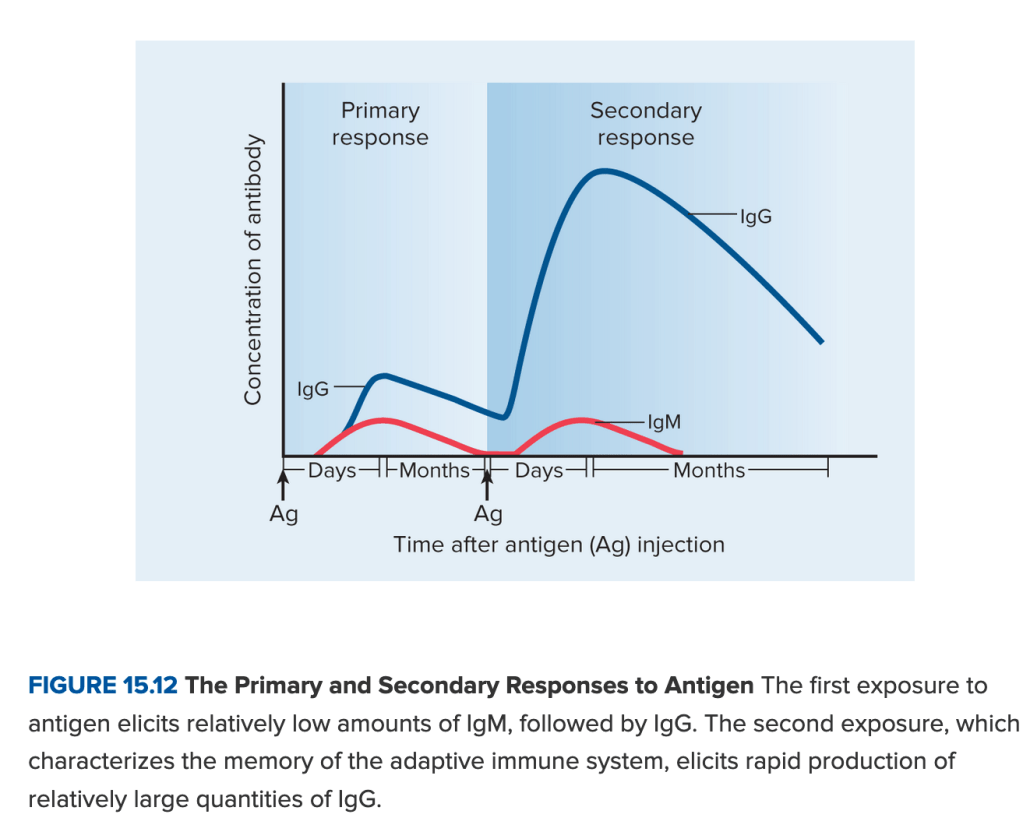
Anyways, in this week’s blog post I’m going to discuss antibody responses to Covid-19. The body produces a number of antibodies that help fight off infections. These antibodies fall into five main immunoglobulin classes. These classes are IgM, IgG, IgA, IgD and IgE. Each class of antibody has a specific function within the immune response. IgM is an extremely important class of antibody because it is the first class produced by the body when a microbial invader has been introduced. IgG is also very important because it provides the longest source of protection out of all of the antibodies. According to Nature, the detection of SARS-CoV-2 is specific to two antibodies, IgM and IgG. A study performed by Lianhuaqingwen experts found that in a majority of the patients who were infected with Covid-19, most of them had an increased level of IgG antibodies within their blood. This gives experts some understanding of the effect of the virus on the immune response and opens up the doors for possibilities of different testing methods that are more accurate.
The antibody titer is a test that detects the presence and measures the amount of antibodies within a person’s blood. According to Healthline, the amount of diversity of the antibodies produced correlates to the strength of the body’s immune response. The IgM and IgG tests are typically given to understand if a person has an active infection or any sort of immunity built to a disease. If you only have IgM titers, the infection has only been going on for a few days. If there is body IgM and IgG antibodies the infection has persisted within the body and the body intends to make some kind of lasting immunity. If primarily IgG antibodies are present, this means the infection has been persisting in the body for weeks. If we could determine who was IgG positive, we would be able to determine who has immunity to the virus because those peoples immune systems have been fighting off the virus for weeks.
According to WHO, there are many tests that are being generated to help control the spread of infection by identifying which individuals could have the virus. The test kits are based either on detection of proteins from the COVID-19 virus in the respiratory samples of detection the blood or serum, of human antibodies generated in response to infection. The RDT test detects the presence of viral proteins expressed by the COVID-19 virus from a sample taken from the individual’s respiratory tract. If the antigen is present in sufficient concentrations, it will bind to specific antibodies fixed to a paper strip and generate a visually detectable signal, typically within 30 minutes. The other RDT detects the presence of antibodies in the blood of people believed to have been infected with COVID-19. The test detects the type of antibodies present and the size of the response to those antibodies. WHO states that there is not a valid way to test individuals currently because the tests are not up to the typical standard because of time constraints on making these tests. A PCR that directly tells if the virus is present would be the most accurate form of testing, but there has been little time to create a safe and accurate test.
I believe that we need to find an accurate test very quickly. If we do not find an accurate test we may run into a problem when stores, restaurants and malls open back up. Many people may be positive for the virus and not even know it because their immune system has been fighting it for weeks. When these people come in contact with the real world, they may infect people who have weakened immune system, creating a whole new outbreak that will spread even faster. Hopefully scientists can find a way to accurately test for the presence of the virus.
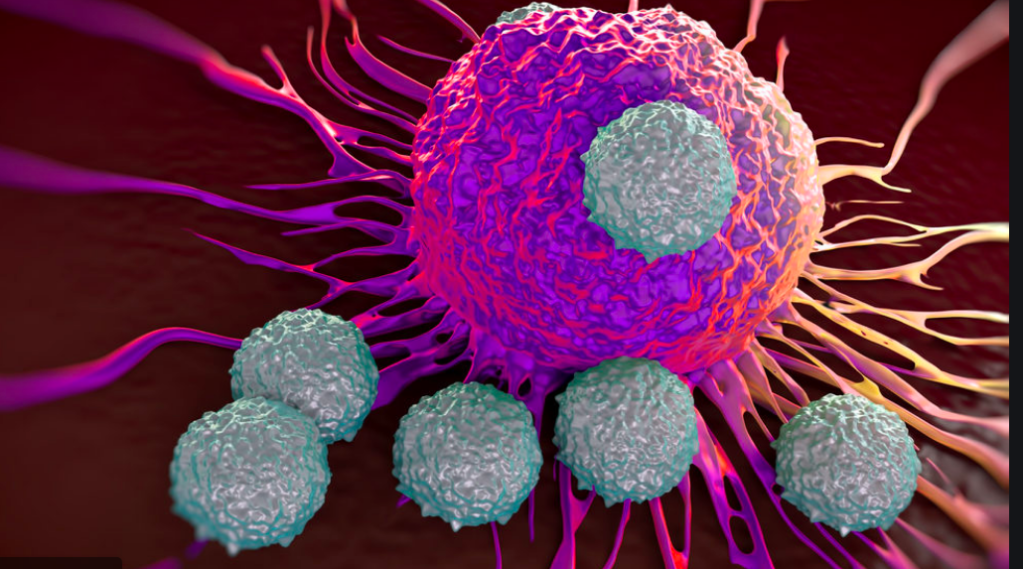
According to Cancer.gov Cancer is a group of diseases involving abnormal cell growth with the potential to invader or spread ro the surrounding tissues. Cancer can start almost anywhere in the body and can interrupt the normal process of cell death and regeneration. It can permanently damage tissues in the body, that can lead to death. There are many experimental treatments for cancer, some of which including cells already involved in protecting the body, called dendtric cells and T cells.
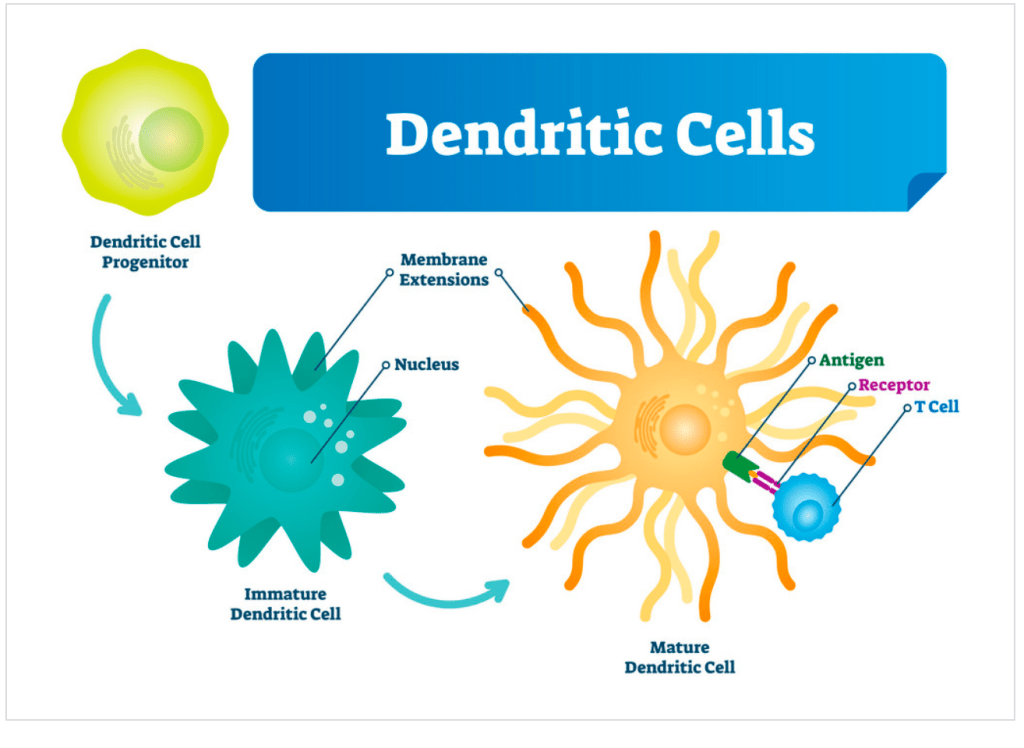
Dendritic Cells are immune cells that are able to activate both the innate and the adaptive immune systems. According to authors Saxena and Bhardwaj , DC’s play a vital role in tumor-immune surveillance. Usually, DC’s remain in an immature and inactivated state until exposed to the optimal stimuli such as inflammatory cytokines, microbial factors on endogenous alarmins. Once exposed, DC’s rapidly mature and process antigens to be presented to T cells on their MHC molecules.
Many have claimed the DC’s can play key roles in tumor immunity and have potential power for cancer immunotherapy. According to an article in nature.com DCs are specificially being studied because of their ability to uptake and present tumor-associated antigens (also called TAA’s) through a variety of mechanism. In layman’s terms, this mean that DC’s are cabable of helping treat cancer/tumor related diseases because of their ability to activate the immune system (especially T cells) against these tumor associated antigens. They also have the capacity to migrate between lymphoid and non-lymphoid tissues to module cytokine and chemokine gradients to control inflammation and lymphocyte homing, which the authors believe is very important for system and long-lasting anti-tumor effects.
Another way many scientists are looking to treat cancer is through Adoptive Cell Therapy. According to this article on ACT , T cells can also be used to help treat and prevent cancerous tumors. Adoptive cell therapy is a kind of cancer treatment that give T cells the ability to recognize cancer cell through specific gene engineering. ACT strengthens the ability of the innate immune response and exploits this efficiency in the treatment of cancerous diseases. Although effective responses have been observed through ACT, adverse effects have become an issue in many trials. Some patients exhibited severe destruction to normal tissues where malocytic cells were present in the skin, eye and inner ears. Some patients experienced severe inflammatory colitis, acute respiratory distress syndrome, cytokine release syndrome, and two people died of leukoencephalothapy.
A solution to this problem and many of the problems that come with the treatment of cancer through T-cell and DC’s is to use initiate personalized medicine. According to an article on NCBI, the adoption of ACT has steered the field of cancer treatment toward the concept of precision and personalized medicine (PPM), in which therapy is tailored to each individual. Over the past decade it has become increasingly clear that no cancers are exactly the same, therefore there needs to be variable responses to the treatment of cancers. Although this would be a great solution to increase the effectiveness of cancer treatment, therapies such as DC and T cell therapy can become very pricey because they are so tailored to each individual.
I feel like there is a lot of promise in the field of DC and T Cell research, however the cost really outweighs furthering the research. Once the therapies become fully developed, many people are not going to be able to afford custom treatment of their cancer and the tests it would take to determine their personal custom treatments, we can’t even afford universal healthcare for all. There is also a lot of confusion about the way the DC cells and T cells could help, and if it could work in everyone, because for a lot of the articles I read the therapy failed for many people. I don’t feel this would be the best to research because of the cost of the treatment as well as the high possibility of failure of the treatment.
According to WHO, a total of 1.5 million people have died from TB in 2018 alone. They claim that TB is one of the top 10 causes of death, and “the leading cause from a single infectious agent”.
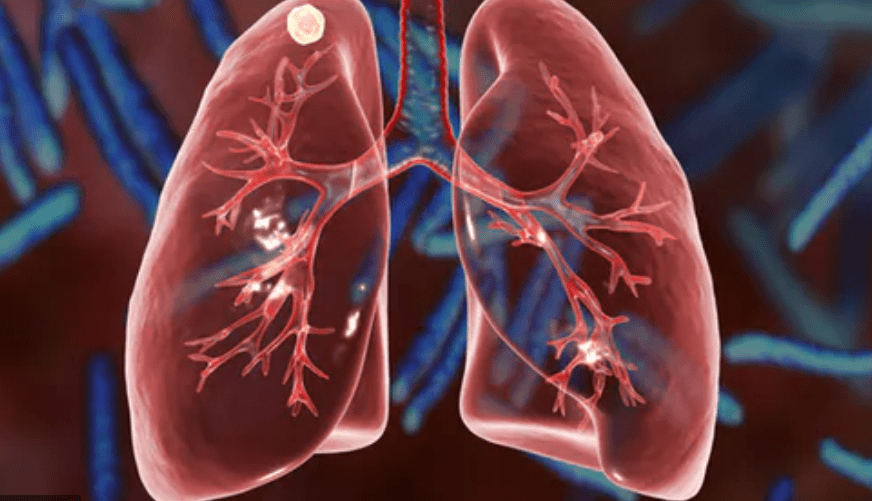
Tuberculosis (TB) is caused by a bacterium called Mycobacterium Tuberculosis. TB is a lung infection that is spread through the air from infected individuals. People who are infected with TB can cough and sneeze, which will cause TB bacteria to enter the air, where others can be infected by inhaling that air. Signs and symptoms of TB includes a cough, chest pain, malaise, weight loss, fever, and most importantly sputum that contains blood. There are many tests that can test if you have TB, such as skin tests, blood tests, x-rays and others.
The CDC discusses risk factors associated with the infection. One thing that makes the infection so bad is that TB has a very common latent infection called LTBI or latent tuberculosis infection. Although LTBI cannot be spread to other people, it can develop into TB disease. People who are most susceptible to TB Disease are immunocompromised individuals, where the bacteria can actively multiply. Some examples of immunocompromised individuals susceptible to this infection according to MayoClinic, HIV/AIDS, diabetes , kidney disease, cancer or chemotherapy, malnutrition and people who take certain.
It’s very sad that people are dying from TB because it is treatable and preventable. Each year, WHO organizes a fundraiser on World Tuberculosis (TB) Day to “help raise public awareness about the devastating health, social and economic consequences of TB, and to step up efforts to end the global TB epidemic”. They also give a little information about how the day was selected. Dr. Robert Koch (Koch’s Postulates) discovered TB on this day. WHO also states that each day over 4000 people die to TB.
Personally, as a CNA and a volunteer at the hospital, I’ve been well aware of TB. Each year I go in for my TB skin test. However, it’s very obvious that many people are not as aware of the detrimental effects of TB, and how many people it kills. However there has been an increase in awareness through efforts such at the National TB Conference that is scheduled for May 27-29 of 2020. WHO has also created a World TB Day Online Talk Show that addresses the issues that’s available to the public. Even in the midst of the coronavirus pandemic, the UN addresses WHO’s urgency to also be aware of the TB epidemic, and what we can do to stop it.
It’s truly inspiring to see national and international health organizations so concerned with this epidemic. It always seems that health providers try to warn us about health issues that could turn into real issues, and we the public ignore them until they are right on our front door steps. I just hope that people take what is being said by these organizations to heart. I hope people make themselves more aware of what’s going on in the world on the health front. If this coronavirus has taught us anything, organizations like WHO and the CDC are here to help us, not hurt us. Prevention is key!
I would be lying if I said coronavirus hasn’t turned my world upside down. I’m sure it’s turned everyone’s world upside down. We all have to stay home know. I have to try and do my college work with the distractions of living at home. Whether that be my family, friends who are also out on break, or my boyfriend who goes to a different college. Not only that, I don’t have a desk at my house to work at. This makes it so much harder to learn. Having to look at a computer to learn instead of sitting in a classroom, makes it so much harder to learn.
This has been such a difficult situation. Receiving emails every minute. False information going around. Uncertainty. Having to move out of my dorm. Financial strain from having to adjust at life at home. Having to worry about whether my parents will be able to work from home. Going to the grocery store and not being able to get necessities for my family. Worrying about how I will get my work study check without being able to work. Worrying about how class assignments will change. Worrying about exams. Way too much worry.
But even in all of this, I am thankful. Thankful to have four walls to be quarantined in. Thankful for internet access. Thankful for the canned foods we do have to eat. Thankful for my professors who are trying to help with the anxiety of this situation by allowing a little more wiggle room than normal. Thankful for clean water to drink. Thankful that I still have an opportunity to take classes. Thankful that I’m not being put in danger because some of my peers are irresponsible and still went on Spring Break in areas that they shouldn’t have.
Despite all the bad, I can see the good. I know there are people in the world who are experiencing much worse than me. Enjoy this meme.
The novel corona virus (COVID-19) has swept the nation by storm, as the United States was under prepared to handle the situation that coronavirus brought to us. The virus originates from Wuhan, China and has since spread to many parts of the world including our very own North Carolina. According to NCHHS, there has been 32 total cases in North Carolina, with 0 deaths. Yay!
However, there is still a large chance that the virus will continue to spread throughout the United States. The virus was first discovered in late 2019, around December was when it began making headlines. However here in the U.S, we were not particularly concerned. The outbreak was declared a public health emergency on January 30th, 2020. Because people were still allowed to travel into the United States and because people from the U.S had been in contact with people who may have been in contact with the virus, the virus spread in the U.S. On Febuary 24th, 2020, the FDA began doing quality insurance checks on foreign products that were being shipped to the U.S. This could mean that throughout that month between the declaration of a crisis and the FDA checks, people could have been in contact with the virus through fomites, increasing the rate of transmission of the virus.
Here in the United States, many measures have been taken quite recently to help stop the transmission of the virus. Colleges have completely shut down campus sponsored activities such as classes, events, and living in dormitories. This was the correct thing to do I believe, because despite it disrupting everyone’s lives, it will keep many more of us safe than if they hadn’t. It was hard to watch my peers travel to the exact same places they warned us to avoid, that already had many cases of the viruses and present, and feel comfortable sitting with these same classes with these people a few days later. The paranoia will get to you, especially if you know the virus won’t hurt you, but it can potentially hurt the ones you love.
As of February, 23th, 14 cases were diagnosed in the United States. Twelve of those cases were directly related to travel to China, the other two were due person-person transmission. Unfortunately all deaths that may come from this virus sweeping the nation would occur because the U.S was not taking other countries warnings about the virus and the swiftness of transmission. Yall can thank yall friend and you know who I’m talking about, no shade though.
Even with this in mind, the response on the home front has not been as strong and well organized as expected. Almost a decade ago, the U.S invested in facilities in Florida, Maryland , North Carolina and Texas to help research and create vaccines to deal with an outbreak of this capacity. According the The Washington Post, two the four facilities have decided not to participate in the creation of the vaccine. This has caused the government and many outsiders to look at federal spending on these facilities in a bad manner. This is problematic however because those facilities are not well equipped enough to safely and affordably mass produce vaccines and medications as well as handle any commercial activity.
Its very sad to watch the nation scramble to come up with a plan, when all of this could have been prevented with good hand hygiene and some self-awareness. Now people are stock piling food and drinks and household supplies because we are apparently in the apocalypse. This is why coronavirus is a boomer virus, because they do stupid stuff so the Earth was restoring the balance. I’m gonna hate being old in 30 years.
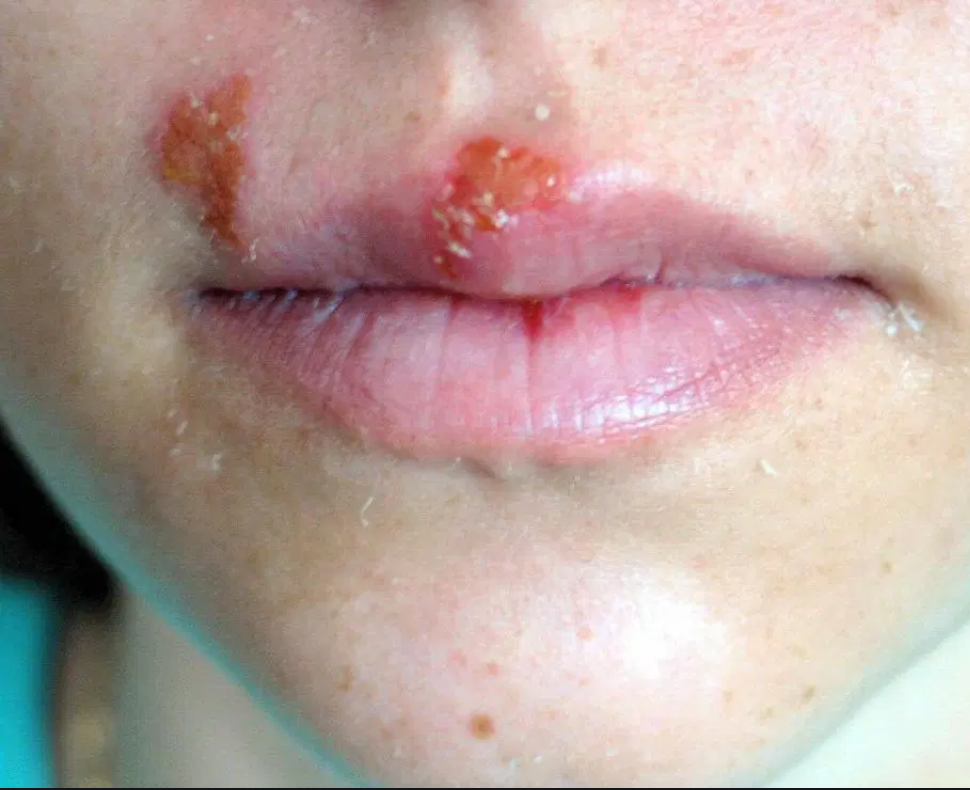
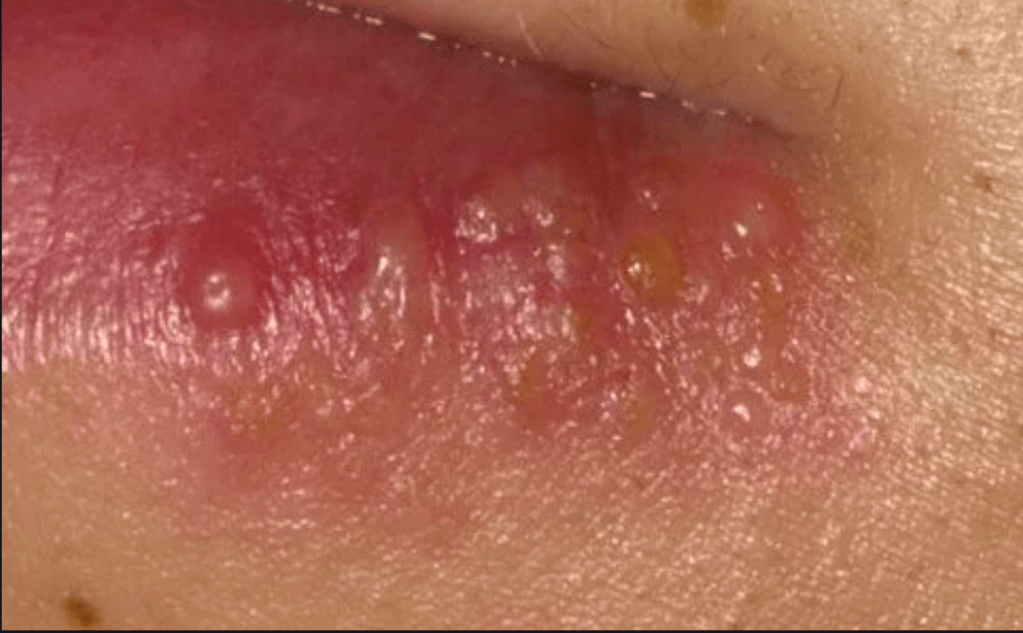
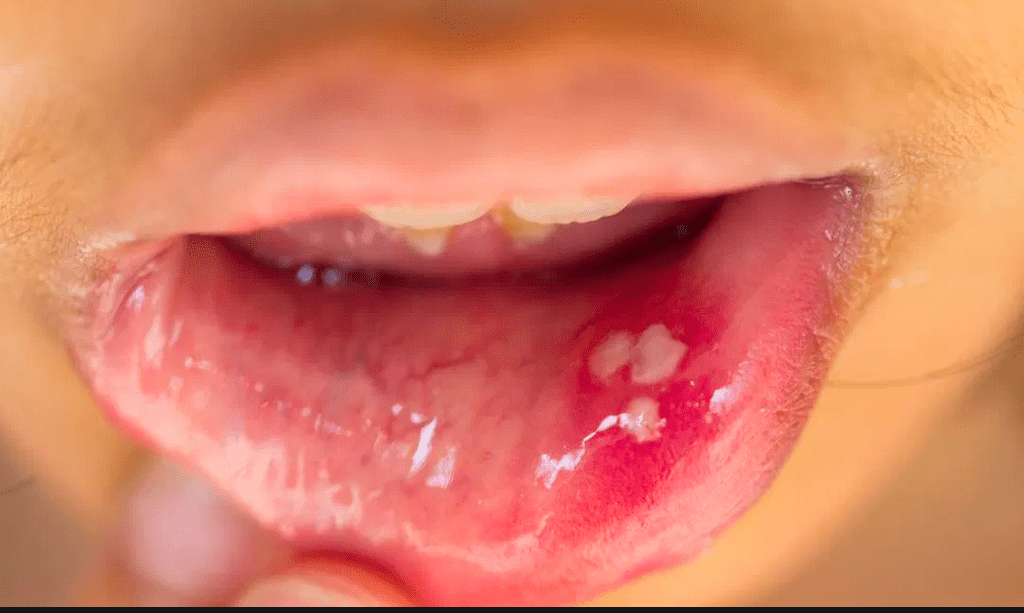
Herpes simplex virus is a sexually transmitted virus that is very common. It is categorized into either herpes type 1 which is oral herpes, or herpes type 2 which is genital herpes. In HSV-1 there are sores around the mouth area. In HSV-2 the infected person can have sores around their genitals and rectum.
According to WHO, HSV-1 is the more easily transmitted virus. It can be transmitted through oral secretions from the sores, kissing or sharing object subjects such as toothbrushes or eating utensils. Healthline states, children will often contract HSV-1 from contact with an infected adult (kissing a baby on the face or mouth). One article from the American Journal of Obstetrics Gynecology discusses the implications of placental transfer of herpes viruses. This virus is latent, and flare-ups can occur often or very few times because of medication. HSV-2 infections can only occur from direct sexual contact with someone who has genital herpes (HSV-2).
However, with herpes viruses, once one contracts the virus, it is with them forever. If a pregnant woman has a herpes outbreak in any time during childbirth, she could risk exposing the baby to both types of HSV. The CDC also states that it is important to understand that someone may not have visible sores or symptoms and still can be infected with the virus, meaning that they can transmit it to other individuals.
Healthypeople.gov discusses how STD’s like HSV-1 and HSV-2 can be easily prevented. The authors of the article claim that STD’s are a significant problem in the United States, and is largely unrecognized by the public, policymakers and health care professionals. They claim that this is important to recognize because 20 million new STD infections occur each year. One of the most common infections, herpes, often goes unreported, and the numbers of these types of infections is much more than expected.
It is important to understand some of the factors that affect the transmission of this kind of sexually transmitted disease. Some people can be asymptomatic carriers, as stated before. Women can also be more prone to suffer from STD’s as well as young adults. Many racial and ethnic groups ( African American , Hispanic and American Indians) have higher rate of contracting STD’s because of ties with health status, poverty and limited access to health care. There are even claims from PlannedParenthood that sexuality and secrecy can contribute to the spread of sexually transmitted diseases. Specifically, in LGBTQIA+ communities there can be more secrecy involved in sexual relationships for various reasons.
Planned Parenthood provides a simple explanation to how one can contract herpes, and the steps one should take following that. I believe Planned Parenthood is one of the strongest resources young people have when it comes to taking care of their own sexual health. It gives you all the facts that you need to know regarding your general sexual health (without going to the doctor) and provides local resources that can help with STD’s such as herpes. Those at Planned Parenthood work even harder at prevention more than anything. They also have articles about how to cope with life mentally, emotionally, and physically after contracting some of these diseases.
I feel we as young people have made the conversation about STD’s and STI’S taboo, because sex for our parents and grandparents’ generation was unspeakable, but now I can see my generation opening up to ideas about sex and sexuality that have allowed us to be a lot safer. I just hope that this trend continues as the years go on.
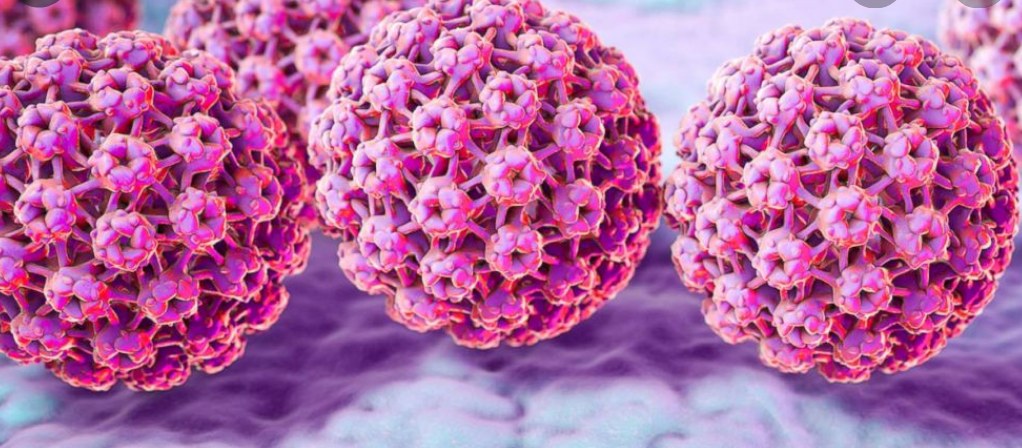
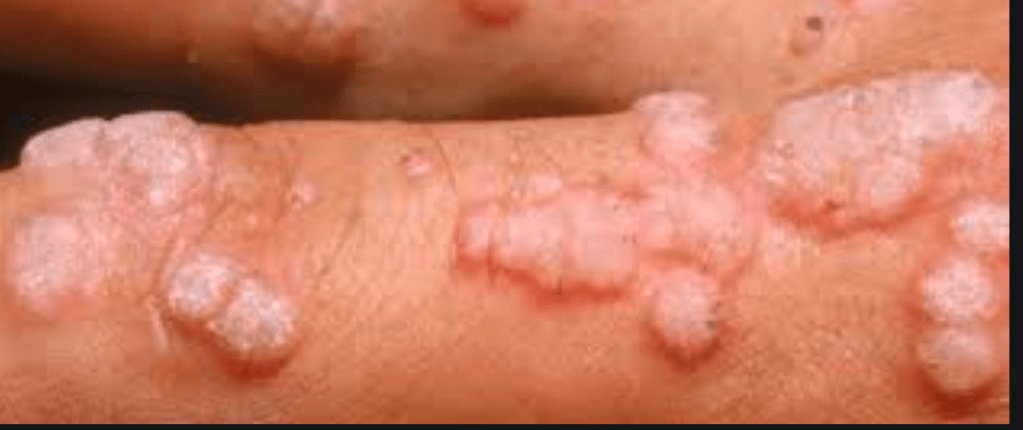
According to Planned Parenthood HPV is one of the most common STD’s. Human Papillomavirus (HPV) is a sexually transmitted disease, however it is one of the very few that a vaccine exists for. Specifically, HPV is a viral infection that commonly causes mucous membrane growths or warts. There are over 100 strains of HPV, making it extremely hard to create an all-encompassing vaccine.
The HPV vaccine helps protect against certain types of HPV, specifically those that can cause cancer or genital warts. Typically the vaccine is given in two doses, one during adolescence (age 11-12) and one 6-12 months after the initial vaccine. When the vaccine was first released, there were many skepticisms about it. The public was unsure as to how scientists could know that the vaccine could prevent cervical cancers.
According to HPVvaccine.org, over 10 million doses of the new HPV vaccine, Gardasil 9, have been given in the US in the past year. Gardasil 9 was studied in more than 13,000 females and males before it was registered for use. The original HPV vaccine (Gardasil) was tested on more than 20,000 females in 33 countries and 4,000 males in 18 countries before it was approved for use. “The trials did not seek to prove that the vaccine prevents cervical cancer. This is because it would not have been ethical to allow cervical cancer to develop in the group who did not receive the vaccine in the trials (the placebo or control group). However, the original trials showed that the vaccine is almost 100% effective in preventing abnormalities in cells in the cervix caused by cancer-causing HPV types 16 and 18. These abnormalities are a proven pre-cursor to cervical cancer.”
Some people have argued that there is no reason to get the vaccine or that if children do get the vaccine, they may become sexually active earlier than if they hadn’t. I don’t really agree with this logic, because as Dr. Cramer would say, I would rather have some protection than no protection. One article from the Journal of the National Cancer Institute claims that the Costa Rica HPV Vaccine trial found that there was cross-protection of the bivalent HPV vaccine against HPV strains 31,33 and 45. I feel that this indicates the importance of vaccination, because we never know how a vaccine could protect us against similar versions of a disease.
One article that I found interesting was one that tracked negative propaganda on HPV and its effects on the rate of people who received the vaccine. During the period where there was negative media coverage of the vaccine, the rate that people got it decreased. However, the Danish vaccination program has successfully weathered a decline in HPV vaccines.
Overall, I think its not wise to not get the HPV vaccine. Some believe that the vaccine can have negative effects, and some effects (such as sequalae associated with the vaccine) are less common, than getting cervical cancer or genital warts that result if one were to go unvaccinated. Honestly, I would take my chances because genital warts do not look fun.
The CDC describes antibiotic resistance as “what happens when germs lik bacteria and fungi develop the ability to defeat the drugs designed to kill them. This means that the germs are not killed and continue to grow”. This is a very simplified version of what antibiotic resistance is , but for our intents and purposes it describes exactly what is meant by antibiotic resistance.
Penicillin, the first antibiotic used on the public and sold/marketed was discovered in 1928 by Alexander Fleming. Ever since its discovery, the antibiotic resistance has been an issue, scientists then were just not aware that antibiotic resistance could become an issue. According to the CDC, just 24 years after its release (1943) , scientists identified a resistant germ, Streptococcus pneumoniae.
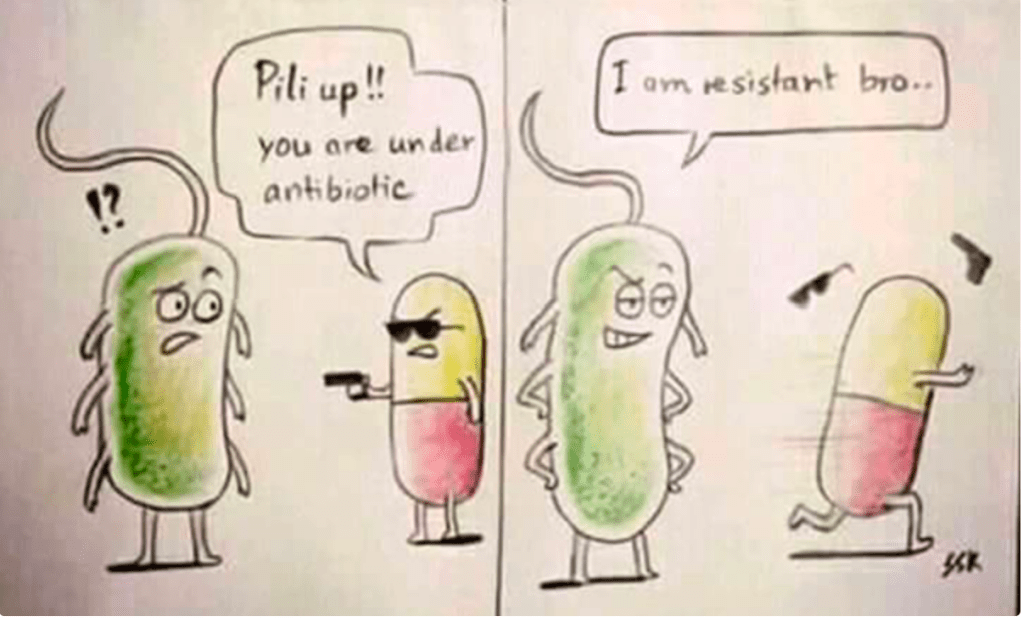
Many scientists believe that the antibiotic crisis can be attributed to misuse or overuse of the medications. This has led to what are now known as “superbugs”. Superbugs are bacteria that cannot be treated by any antibiotic, because they have developed a resistance to most antibiotics. According to the Antibiotic Resistance Crisis, there is a direct relationship between antibiotic consumption and the emergence of resistant bacteria strains. They state, “ In bacteria, genes can be inherited from relatives or can be acquired from nonrelatives on mobile genetic elements such as plasmids. This horizontal gene transfer (HGT) can allow antibiotic resistance to be transferred among different species of bacteria”
One article in the Journal of Dairy Science links the effect of commercial antibiotic use in dairy cattle with the rise of antibiotic resistant organisms. The article primarily claims B-lactams and tetracyclines are used in dairy cattle to heal bacterial infections in cattle as well as fatten some other meats. These antibiotics can be found in the soil as residues, the same soil in which we grow many of our fresh fruits and vegetables. The authors of this article claim that that is partially the reason that antibiotic resistance is so high, as we consume antibiotics unknowingly from meats as well as their residues from fresh vegetables.
One article from the International Journal of Food Microbiology did a study to see the effects of growing chickens without using antibiotics could possibly change their gut microbiota. The article acknowledges the fact that since the introduction of antibiotics in commercial farming, there has been a rise in the amount of antibiotic resistant E.coli in chickens. This has raised fear in communities, afraid of what these resistant E.coli can do. In basic terms, the study concluded that chickens grown with less antibiotics or no antibiotics had a significantly less amount of antibiotic resistant E.coli found in the gut, which decreases the chance of transmission to humans.
The fact that antibiotics were discovered a little over 100 years ago, and we are starting to lose their effects is very scary. People are using them for dumb things (like a viral infection), they aren’t taking their full dose, and health care workers can be guilty of prescribing them nonchalantly. I feel the federal government or someone, should be cracking down on the use of antibiotics in health care settings. They are a miracle drug. I would hate to imagine life without antibiotics, because many of us I know would die from a simple bacterial infection. It’s sad that it’s up to our generations to fix what old people, who are probably dead and gone, started so many years ago.












 Madison's Microbiology Masterpiece