Blog Feed

Diptheria can be prevented… you Dipsh*t

Vaccines are one of the best ways to protect ourselves from diseases. They help our immune system to fight off disease by helping equip our immune system to fight off infections. Most diseases, we do not have vaccinations for. However, we have been lucky to have vaccinations for diseases such as measles, mumps, rubella, tetanus, diphtheria, and many others.
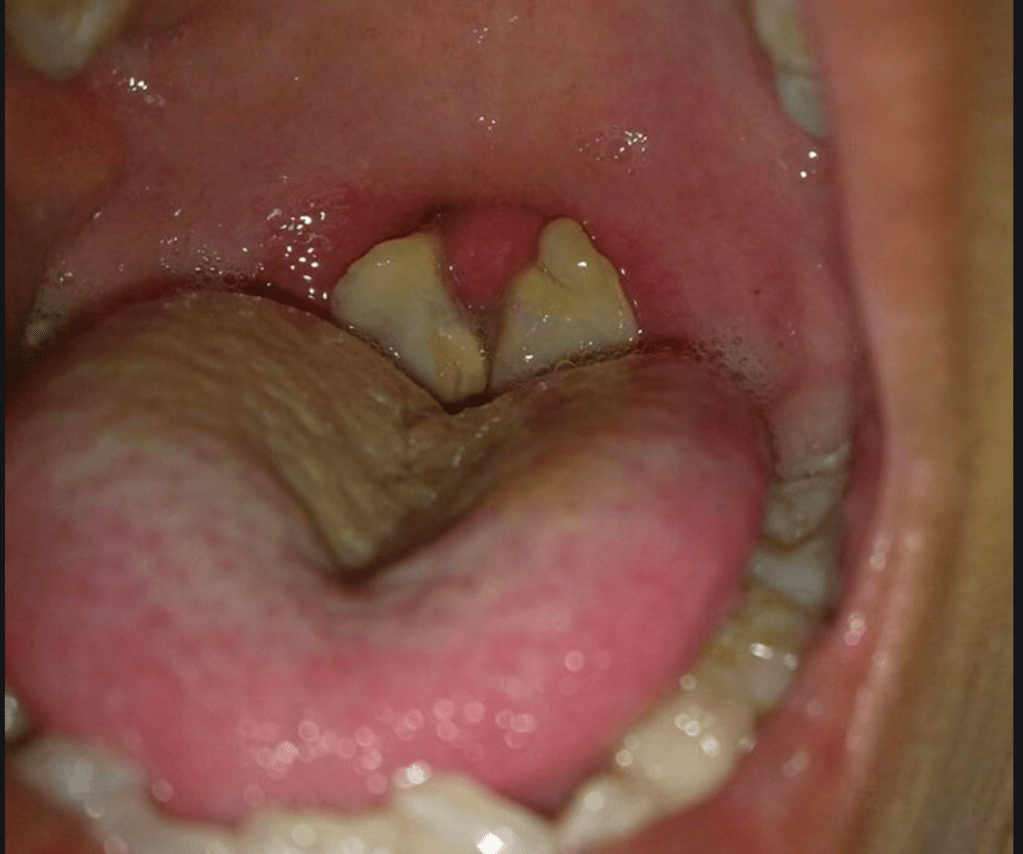
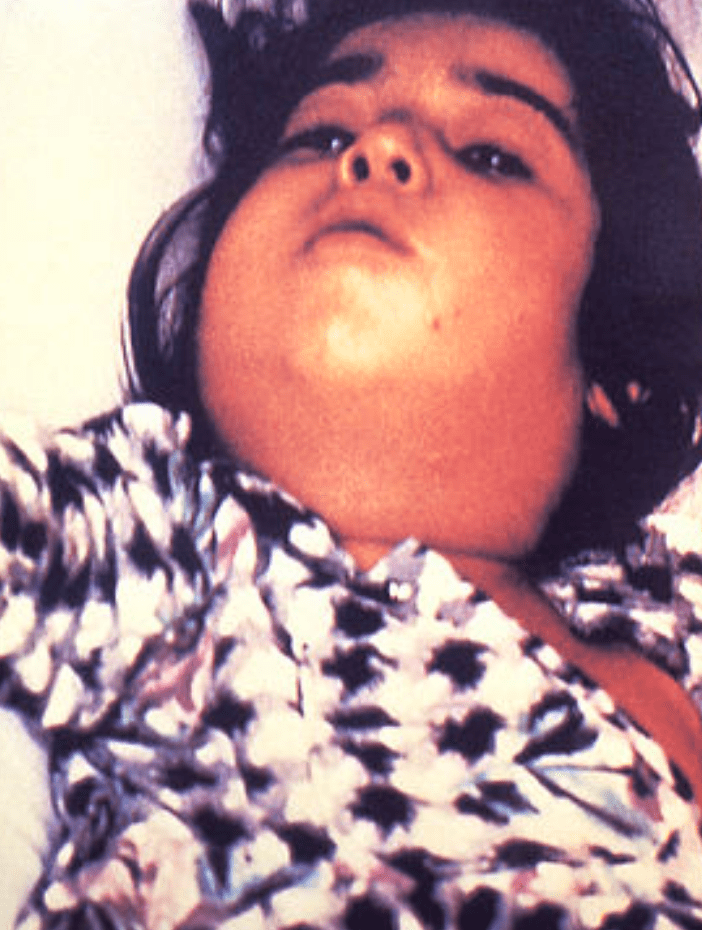
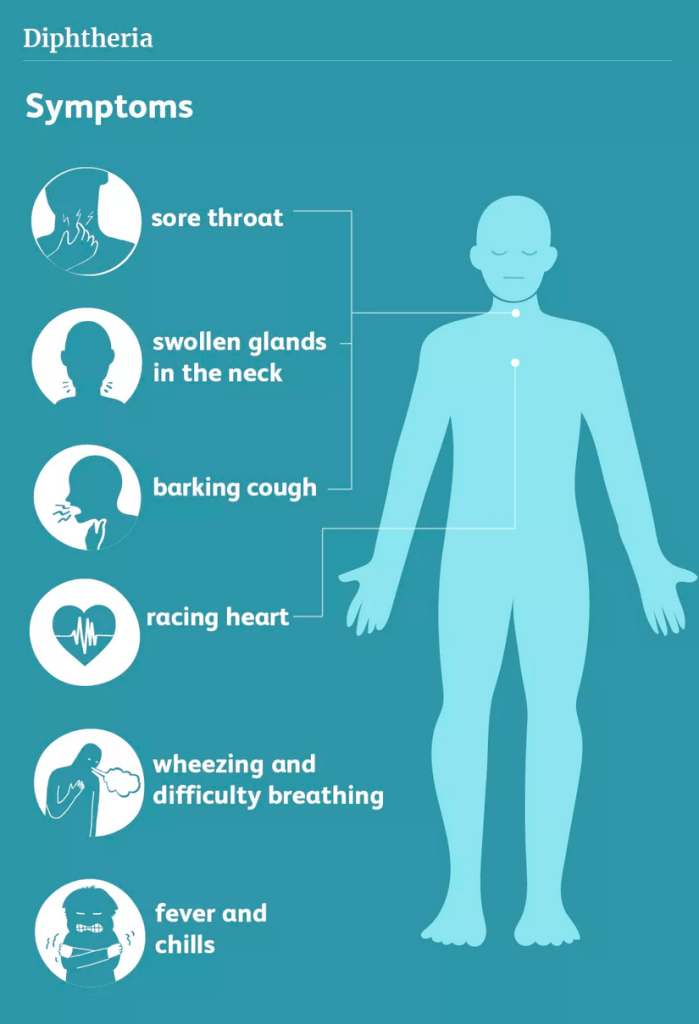
According to the CDC, diphtheria is an infection caused by the bacterium Corynebacterium diphtheriae. Diphtheria causes a thick covering in the back of the throat. This can lead to difficulty breathing, heart failure, paralysis and even death.  Diphtheria is transmitted from person to person, making it a human only reservoir. It is easily spread through respiratory droplets.

The vaccine for diphtheria was discovered during the 1920’s, and since its discovery, the rates have dropped exponentially for the contraction of diphtheria.   The New York Times claims that the vaccine was first administered to child ( it is unknown whether the child was a girl or a boy) who was deathly ill with diphtheria, but who recovered due to the vaccine. According to WHO (World Health Organization) there has only been 5 cases of the disease in the U.S. in the past decade, due to mandatory vaccination. This is very little compared to some countries over that had over 7,100 cases of the disease.  This I feel is most likely due to lack of access to the diphtheria vaccine in other countries.
Sciencemag.org posted a really interesting article about the process in which early scientists tried to utilize the diphtheria vaccine. There are four available vaccines that protect against diphtheria. These include the DT and Td, which protect against diphtheria and tetanus, as well as the DTap and the Tdap , which protect against whooping cough as well as pertussis. The only difference between the vaccines are the ages at which they are administered, based upon immunological strength. Typically babies and children younger than 7 years old get the DTaP and DT and older children receive the Tdap and Td.

There are many stipulations on who and who should not get certain these vaccinations because of the health risks involved with getting any vaccination. Although the vaccinations for diphtheria have proven to prevent complications and deaths associated with the disease, people are still concerned about negative effects such as learning disorders, mental functions and many other things.
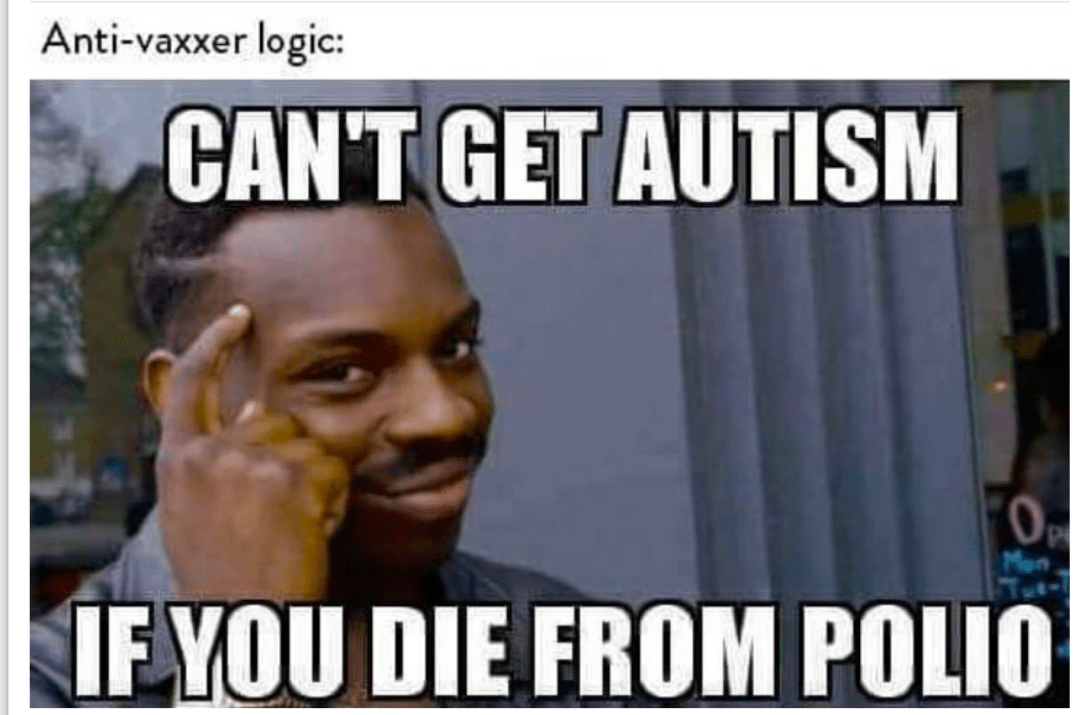
I feel that this is ridiculous because there is scientific evidence supporting the eradication of diseases such as diphtheria. People claim that vaccines are the government injecting us with poison or sugar water to convinced us they are doing something positive for us. But really its people who are already vaccinated who are saying these things. People without degrees in microbiology, medicine or any other related fields. People who couldn’t tell you the first step of the scientific process are trying to say that vaccines are poison with no logical or factual argument behind it. And none of these people are suffering. None of them have gotten tetanus, or whooping cough, or measles of ANY DISEASE THAT HAS A VACCINE FOR THAT MATTER. But they believe vaccines don’t work. I guarantee that less people have died from using a vaccine than have died from the actual disease caused by not getting vaccinated.

What’s an anti-vaxxer kid’s favorite game? Marco Polio!

In the United States, we have almost eradicated a disease known as Polio. Polio (aka poliomyelitis) is a life-threatening disease caused by poliovirus. The virus spreads from person to person (human only reservoir) and can cause permanent paralysis. This may all seem very scary, to someone who is not educated on immunizations, but the fact of the matter is that we can eradicated poliovirus from the face of the Earth by doing one simple thing; vaccination.

According to the CDC,  about 72 out of 100 people will not have any visible symptoms. However, when there are symptoms, they will be similar to the flu. These include, but are not limited to; sore throat, fever, tiredness, nausea, headache, and stomach pain. An even smaller amount of people may experience very serious symptoms such as paresthesia, meningitis, and paralysis. Paralysis can lead to death because the virus can affect muscles that aide in breathing.

The Poliovirus is very contagious and spreads through person to person contact. However, it can only be infectious if it enters the body through the mouth and spread through the either the fecal oral route from an infected person or droplets from the sneeze or cough of an infected person. One of the reasons that the virus is so infectious is because it can live in a person’s feces for week, which for less developed countries can be an issue, as it can contaminate food or water because the lack of proper waste disposal. It is also very infectious because people can be asymptomatic carriers for the virus.

According to Infections of the Central Nervous System: Pathology and Genetics The poliomyelitis virus is an enterovirus that is nonenveloped, icosahedral, single-stranded positive sense RNA virus.  As we have learned in lecture, these means that hand sanitizers are unable to kill these types of viruses.  However, routine handwashing can help with the transmission of the virus. But fortunately for us, the virus has a “cure” if you will… VACCINATION.  

In a recent article in The Lancet, the effects of the IPV and OPV vaccinations for Polio is discussed thoroughly.  The Inactivated Polio Vaccine (IPV) is the only one given in the United States, Oral Polio Vaccine (OPV) is used in other countries around the world.  IPV has been shown to protect 99 out of every 100 people. This is with the child taking all four doses of the vaccine that are recommended.  According to the WHO  there were 22 reported cases in 2017 compared to the 350,000 cases in 1988. So, there is an obvious decline in number of cases. This is AMAZING!

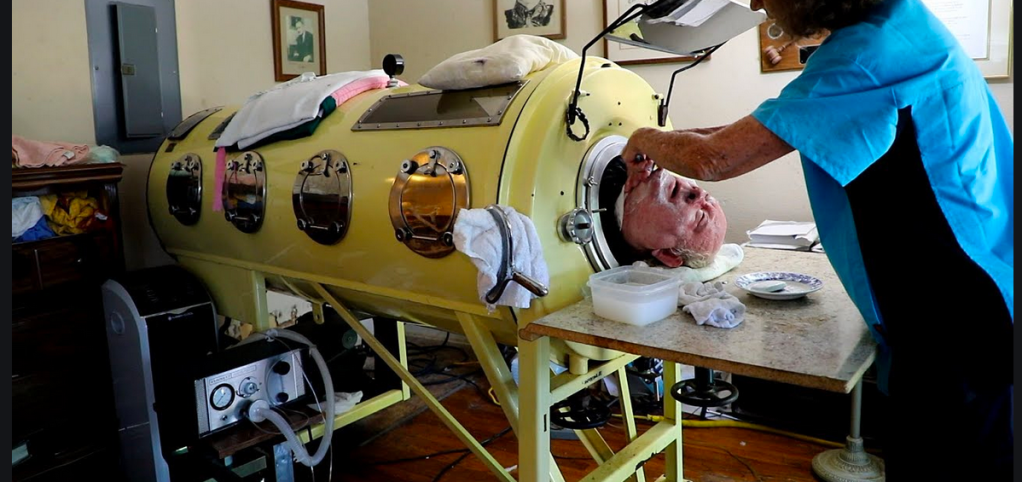
Those who don’t agree with vaccines should really be shown all of the facts. Polio is an awful disease to die from. Many children who have polio have to walk with crutches and in earlier decades, people could end up in an iron lung.  

I feel like when you compare living your life through an iron lung and not getting a vaccine, I would rather take my chances with the vaccine. 99 out of 100 is good enough for me. I would never want to subject children to some of the photos I have seen online of these cases…

Anti-vaxxers. Yall gone want to listen to this one.

In a previous blog, I discussed Andrew Wakefield and the emergence of his ideology on the damage caused by vaccines. His study claimed that vaccines can cause developmental disorders and many other issues that sparked a lot of uproar in the medical community. His paper was published, but later retracted because it turned out that his study methods were very far from sound. Despite the inaccuracy of his findings, he sparked what is now called the Anti-Vaxxing Movement.

The outrage comes specifically from parents who fear that vaccinating their children can cause mental retardation and learning and attention disabilities such as ADD or ADHD.  According to the US National Library of Medicine, in one article written by Azhar Hussain, Syed Ali, Madiha Ahmed, and Sheharyar Hussain discusses the implications of the Andrew Wakefield and how that has ultimately affected the increases prevalence of diseases that were virtually eradicated. The authors claim that there has been an uproar against the MMR (measles, mumps, rubella) vaccine and it is wrongly targeted without understanding the vaccine or the science behind vaccination.

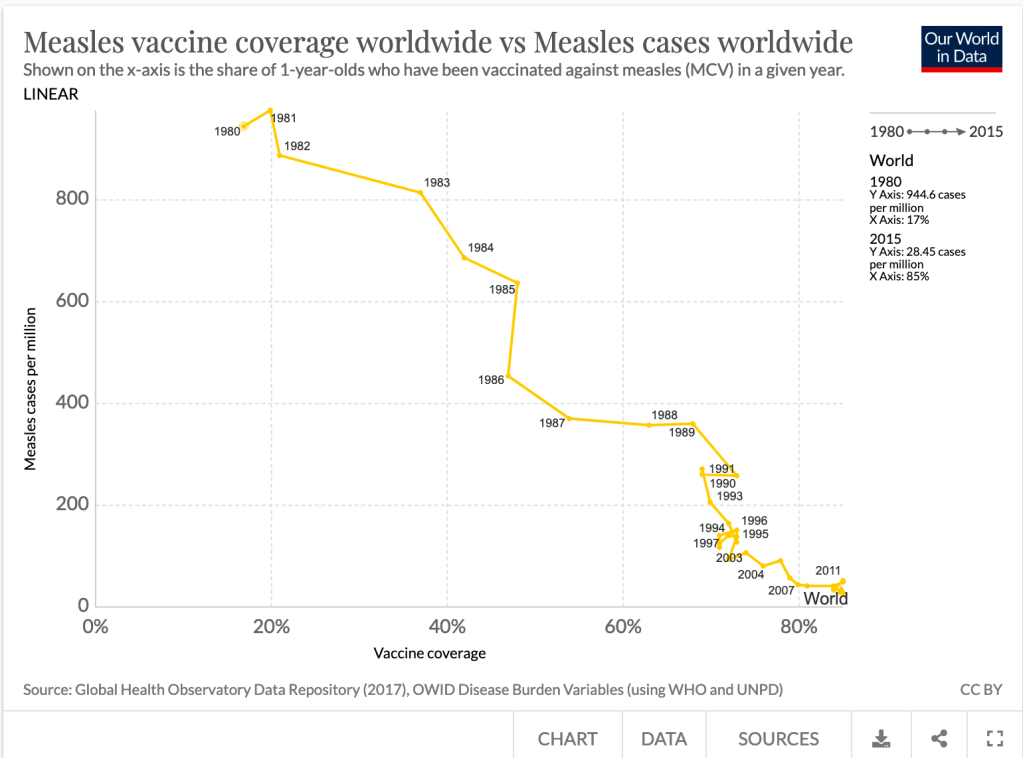
The World Health Organization even released its top ten global threats of 2019,  listing not being vaccinated as one of the major threats in the world. They claim that “over 1.5 million deaths could be avoided each year if the vaccine coverage is not improved”.

One article on BusinnessInsider.com states that the although the measles vaccine led to a dramatic reduction in the measles and was declared eliminating in 200, outbreaks of the disease have started because of the new surge of anti-vaxxing.  In 2017, for example, 75 people came down with the measles in Minnesota according to the CDC’s website.  In 2020 alone, there have already been 5 confirmed cases of the measles.

Honestly, because these are diseases that we know we can die from (especially babies and the elderly) I think anti-vaxxing is the dumbest thing ever. I would rather my child be autistic or ADHD or whatever they think the vaccine can “give” you than them be dead. It’s awful that grown people who have already had their vaccines put their babies at risk because they are ignorant about how the microbiome works, and about the effects of vaccines. Its even sadder than a physician started this huge uproar against vaccination.

The Microbiota

As we have learned in class and through our textbook, the microbiome is an important part of human health and functions in many different ways. From what we have learned in class, the microbiome consists of the community of microorganisms as well as their genetic information in a given environment. We have learned that the microbiome is first started at birth, through the passage of the fetus through the vaginal canal. This is an important part of birth because it safely introduces microorganisms into the microbiome of the fetus. If this does not occur, such as in the case of a cesarean birth (C-section), the baby will have an underdeveloped microbiome and will be more susceptible to bad microorganisms than is the baby who had a natural birth.

Ultimately, being introduced to microorganisms at a young age can be a good thing, as it can help start the normal microbiome of a child, which may not develop fully until the child is three years old. According to the Hygiene Hypothesis, without being introduced to good and bad bacteria at a young age, a child can become more susceptible to disease and allergies later on in life. According to Dr.Cramer , microbiologists years ago did not have any idea that the microbiome was as important as we know it is now. This coincides with the number of recent studies into the role of the microbiome in human health.

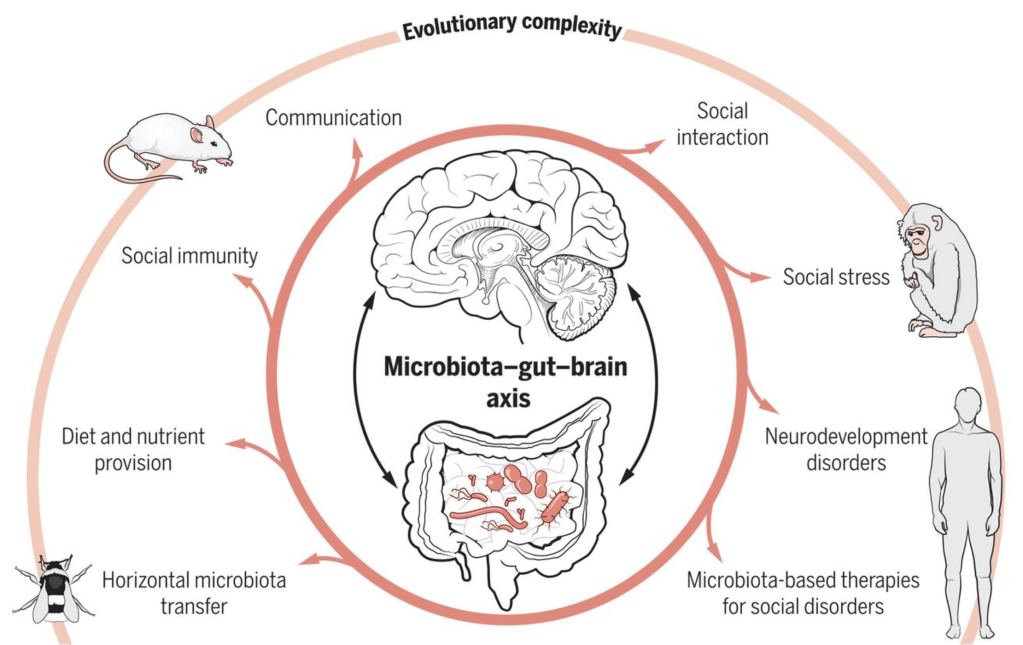
One article claims that the state of the microbiome can play a role in inflammatory disorders, metabolic syndrome, obesity, and behavioral dysregulation. The study specifically looked at how changing the diets of mice drastically can change the makeup of the microbiota of the gut, and how this can lead to many other health issues. They found that all of the mice, in every single case, had a drastic loss in the variety of the microbiota, and some of those where the “good” microbiota of the gut. Without these microbes, the mice experienced slower metabolic rates, which overtime had detrimental effects.

Another article claims that the microbiota is so important to health, that it can even affect circadian rhythms. In one experiment, “mice lacking their intestinal microbiota lose the rhythmic fat uptake that cycle diurnally in mice with their microbiomes intact”. The article also claims that microbes in the gut direct the activity of an enzyme called HDAC3, that can influence genes that are important for metabolism.  Ultimately this enzyme is produced rhythmically, and mice without it, had varying circadian rhythms. However, the article concludes that there are still a lot of missing pieces from the full story of how the process works.

            I feel as though this speaks to the state of science as it relates to the microbiome today. We understand and can make the connection between a good microbiome and positive health; however, we still don’t know about a lot of the mechanisms by which the microbiome is doing these processes.  We just take probiotics and hope for the best. In reality, both articles I chose discuss this week did experiments of mice. We will never truly know about the microbiome of humans, if we can only experiment on mice, it’s almost impossible to know fully how our microbiome works without testing moral limits.  It’s very unfortunate that we have this issue because the microbiome is such a large part of our health, but we cannot study it fully.

            I think if we could solve the some of the unknowns about the microbiome, especially the gut microbiota we could solve many health problems, such as metabolic disorders and diabetes. Personally, diabetes and obesity run in my family, and I believe that could have something to do with the gut microbiota, and how this effected by foods that we all eat. It’s very interesting to think about how little microbes can control a whole person’s health.

Coronavirus Updates

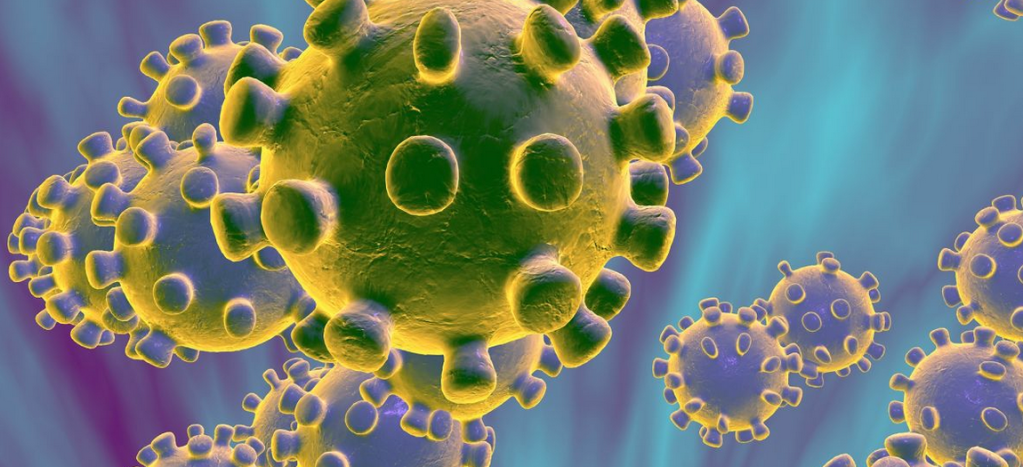
If you haven’t read my last blog detailing Coronavirus… you should stop and read it right now or absolutely none of this will make any sense at all. The 2019-nCoV is a new type of coronavirus that has been spreading rapidly, sparking a lot of fear in the public’s eyes. As of February 7th, 2020 the virus has killed over 600 people, with the number of known cases rising. The virus was found to have begun in Wuhan, China. Close to 60 million people remain under lockdown in China, with three cities reporting over a thousand confirmed cases.

Countries around China are also suffering because of the pathogenicity of the virus. CNN reports that Hong Kong has been under strict lockdown since the virus was first reported as deadly. Over 60 million people live, reside or traveled to China and are currently under a country-wide lockdown. Those who are entering Hong Kong from the mainland are to be placed under a 14-day quarantine. Similarly, over 3,700 people are being held on a cruise ship in Japan, after one passenger was identified to be positive for the virus.

Some are even concerned about the likelihood that the virus could be spread through the mail or through imported goods from China. NBCNews reports “ “There is no evidence to support transmission of 2019-nCoV associated with imported goods and there have not been any cases of 2019-nCoV in the United States associated with imported goods,” said Dr. Nancy Messonnier, director of the CDC’s National Center for Immunization and Respiratory Diseases, during a call with journalists.”

A group of professors actually published a study in the Lancet on January 30th ,2020 about the epidemiological and clinical characteristics of the virus. The study began when there was only 99 known cases of coronavirus.  The results of the study showed that 49% of those who were tested had direct contact with the Huanan seafood market. The other 51% of patients had some sort of chronic disease that already affected their health and wellness. The study also found some information on the types of immune cells that were present, in low amounts or high amounts in the affected bodies.

Ultimately, I feel that coronavirus is something that we will be learning about in the near future. My personal theory is that super viruses, or viruses in general like the coronavirus emerge when our population has reached the limit of people it can support. This is a very simple biological concept, and many scientists theorize what number will be the maximum population on Earth. Unfortunately the world, and mother nature has a cruel way of keeping the world in balance.

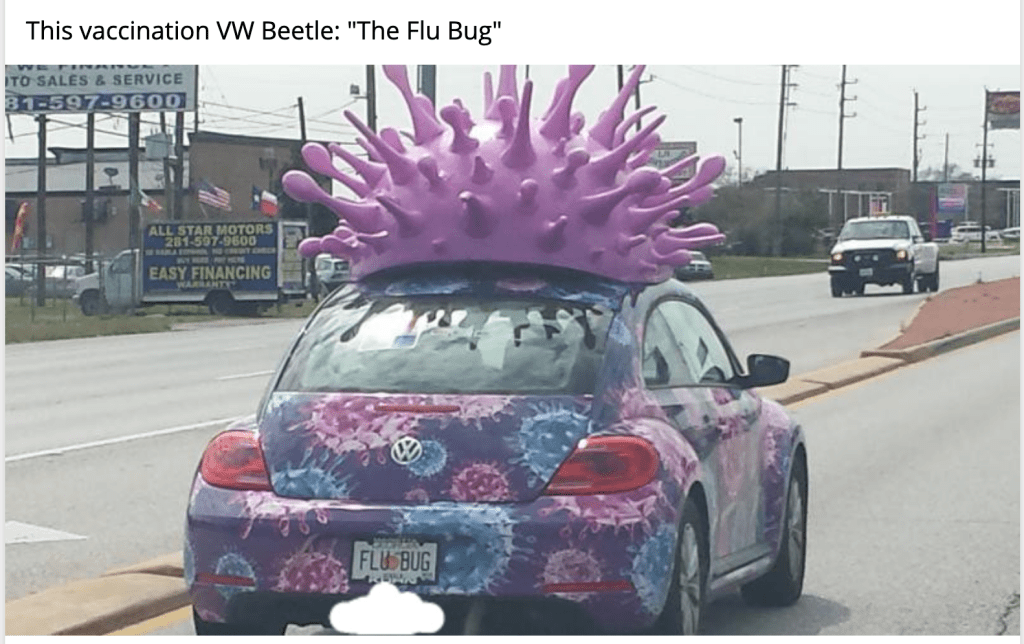
Why did the flu go viral? Because it comes from influenzas *cue the drums*

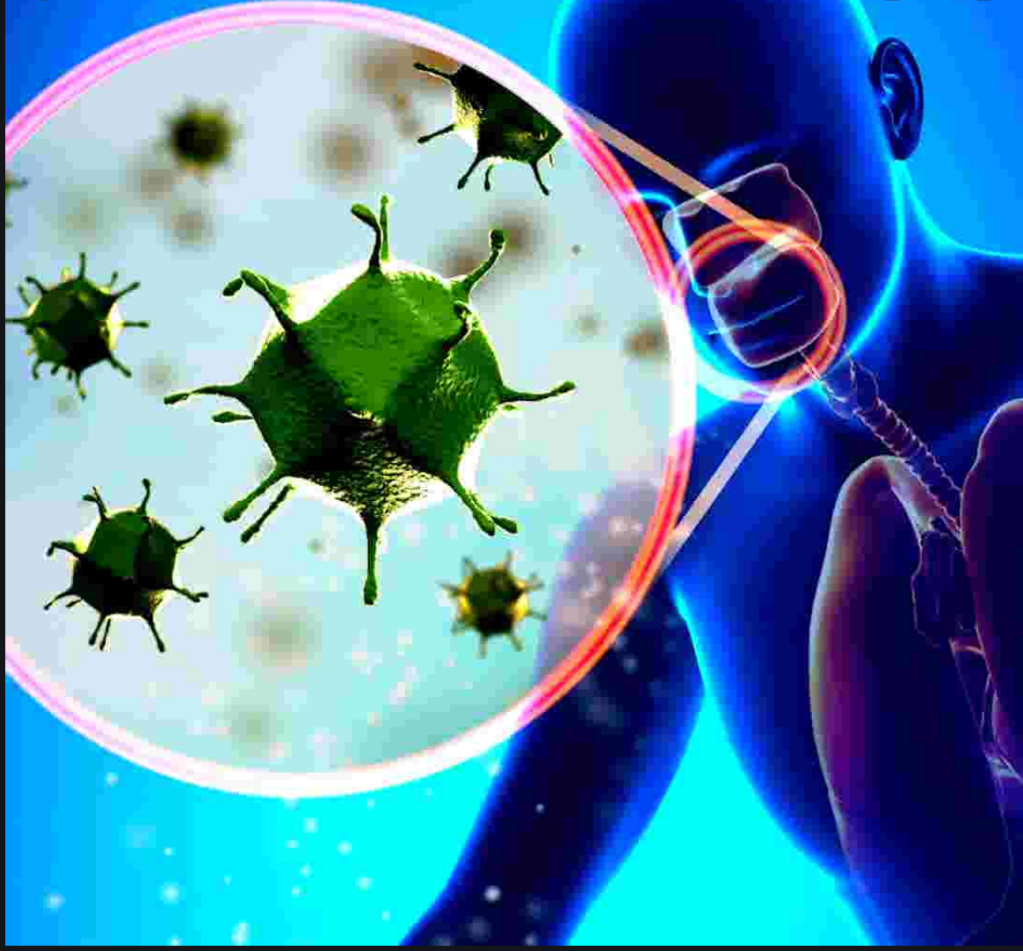
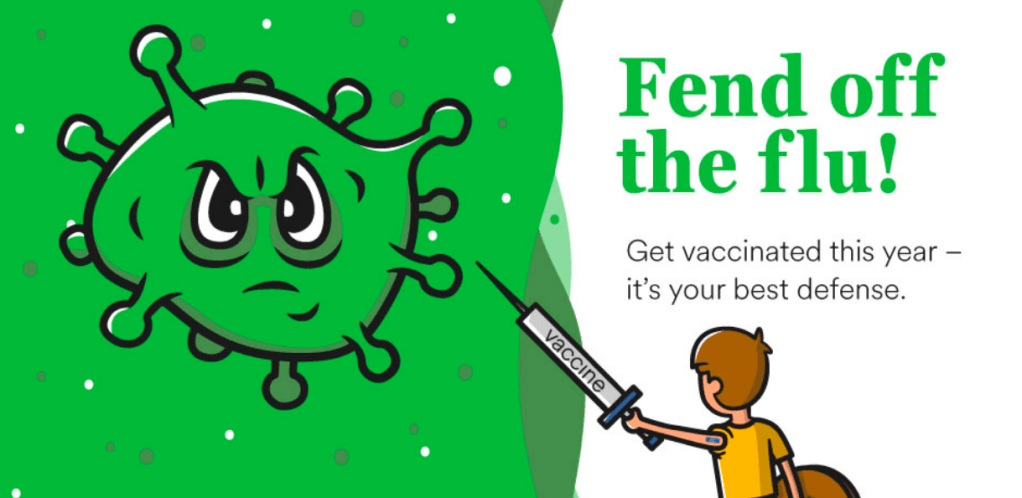
Influenza of the flu is a contagious respiratory illness that is caused by influenza viruses. The flu virus comes in many different flavors, if you will, and can cause mild to severe illness according to the CDC. Many people die from the flu every year and it remains one of the top human diseases that cause death. The best way to prevent flu, and lessen the virility of flu is to get a flu shot each year.

Flu comes on very suddenly, people who typically have the flu will know within about 48 hours. People with the flu can generally feel a fever or chills, cough, sore throat, runny or stuffy nose, muscle or body aches, headaches, fatigue, and very few may have vomiting and diarrhea according the Medlineplus.gov . These symptoms outline the basics of any illness; therefore, it is important to go get tested for the flu if you feel any of them symptoms, in order to keep others safe from you as well as begin supportive care.

There are two main types of influenza virus, Type A and Type B viruses that are routinely spread amongst humans (human influenza virus). These two types of influenza are responsible for the seasonal flu epidemics each year. One of the main issues that health researchers find with the flue is that it is a highly mutative virus. There are many, many different strains of flu, and the strain that is spread every year during flu season could be different than the vaccine that was created during off season.  

The flu mutates by antigenic drift, where small changes in the DNA of the virus can lead to changes in the surface proteins of influenza viruses, which are the antigens that trigger the body’s immune response. These small changes typically result in only small differences in the viruses, meaning that the body may still be able to respond to a strain of influenza because it isn’t different than one that it seen before. However, some of these small changes can add up over time, and the influenza virus will have changed rapidly as time goes on. This creates a problem because the human body no longer has any memory or idea of how to respond to the invader.

Another type of change that the flu can undergo is antigenic shift which is more abrupt and drastically changes the surface proteins of influenza very quickly. When antigenic shift happens, most people have little to no immunity to the new virus, it spreads quickly and can cause a pandemic.

This year alone in the US, over 10,000 Americans have died from the flu. This year, ContagionLive reports that most statistics on the flu have increased this flu season. They report that 50% of flu cases seen from this flu season are from people 25 and younger. They also report that the seasonal hospitalization rate has increased to 24.1 percent.

For me this is in no way shocking. This past weekend I spent my time in ER of the hospital with two parents and a nephew that all tested positive for flu. My dad contracted it first, because he didn’t get his flu shot at all. We thought it was his CHF, but it turned out he tested positive for the flu. He gave it to my nephew unknowingly, as he was with him the day before he got diagnosed. He also gave it to my mother who spent 6 hours with him in an ER room, while he was coughing, with no mask and no clue what he had. She however, received her flu shot and recovered quickly. My dad spent 5 days in the hospital.

What I found most interesting about this flu season is how the book says that the flu is not really associated with diarrhea and vomiting, and it was even a question on our Connect assignments that the flu isn’t associated with diarrhea and vomiting. However, in online resources it says that it can be associated with diarrhea and vomiting. As I was talking to doctors in the ER, they said that with this year’s strains, they have seen a lot of diarrhea and vomiting. This makes me question whether or not we can truly say a symptom is NOT associated with flu because each year the strains are different. Just some food for thought.  

Coronavirus

Coronavirus according to the CDC is a respiratory illness caused by the virus 2019-nCOV that was first detected in Wuhan, China. There is still some confusion as to where and how the virus came about. Many connect it to a large seafood/meat market whereas others have been said to have had no connection with a meat market of any kind. Coronaviruses are a large family of viruses that come from specific animals, therefore it is a zoonosis because it can be spread from animals to affect humans.

The symptoms of the virus seem agree with general malaise. There are associated fevers, cough and shortness of breath as it is a respiratory infection. The CDC currently believes that symptoms of 2019-nCoV may appear within 48 hours to two weeks after exposure.  The transmission of the virus is solely through respiratory droplets when an infected person coughs, sneezes or any other droplet transmission.

To prevent coronavirus, there is only a few mechanisms that work. These include washing hands with soap and water, using hand sanitizers, avoiding touching eyes, nose and mouth, avoid contact with those who are sick, stay home when you are sick, cover your mouth when you cough and sneeze, and clean and disinfect surfaces frequently.

Because coronavirus is a virus, there is no “cure” for it. Currently there are no antiviral medications that work effectively against the infection. Patients can only be offered supportive care if infected.  Webmd , suggest that the elderly are even more susceptible to the virus and the secondary infections that it can cause. One of the most common infections that people are dying of due to the virus is pneumonia.

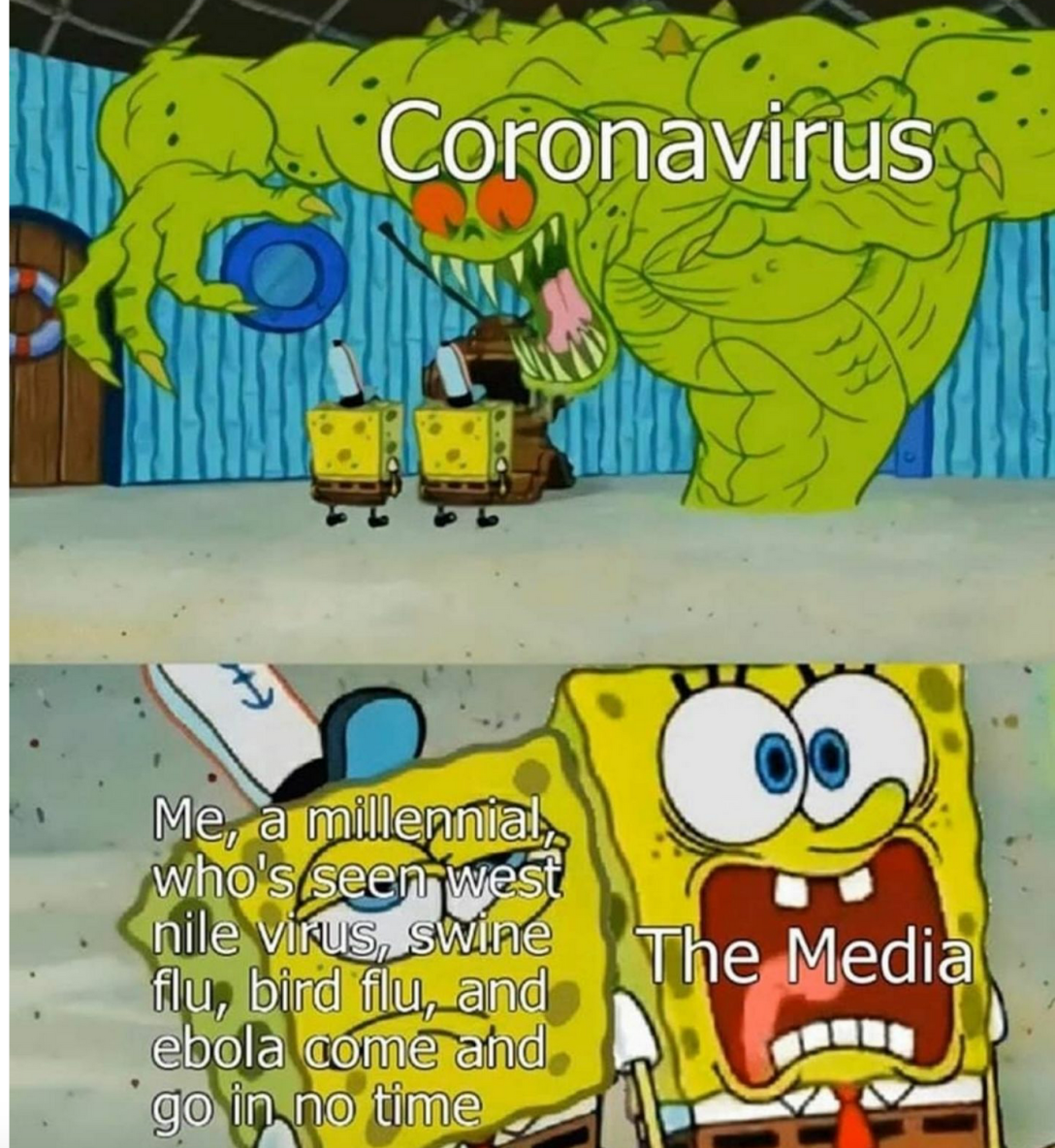
As a young person and an American, I am honestly much less worried about the coronavirus than I’m sure many others are.  ScienceNews states that only three countries, Vietnam, Germany and the United States have reported to human to human transmission. There have only been a few reported cases in America, travel to and from China has been shut down, and most people in American are not living in the deplorable conditions that other do. We have regulations on almost everything here in America. However, what does concern me is the blatant racism that comes along with a virus like this. Many people have posted meme’s regarding coronavirus, insinuating that Chinese people are susceptible to the disease because they eat “weird” foods and they are unsanitary. Which is quite ironic coming from the descendants of the same people who got the Black Plague and almost got eradicated from the earth because they lived with rats and didn’t wash their ass cracks. But hey, shame other cultures for being “dirty” and “uncivilized”.

The only way to beat this virus is to get ahead of it. Because it’s a virus. We all must take precautions in the coming months to protect ourselves through the simple measures stated by the CDC and Webmd. Please wash your hands. And shower everyday cause some of yall stink. Stay safe.

The Myth of Andrew Wakefield

In this week’s blog, I have decided to research Andrew Wakefield. Some of you may know his name and others of you may not. He has become one of the most controversial researchers in medical history.  In 1998, he and his 12 colleagues published a case in The Lancet which gained a lot of following, both negative and positive. His major claim was that the vaccine for measles, mumps and rubella (MMR) can predispose children to forms of autism.  Considering he only used a sample of 12 and there were many issues with the paper and research methods, it still received a lot of attention from the news and the general public who saw some level of accuracy and truth in his findings.

Wakefield only used 12 children in the entirety of the experiment. Age ranges between 3 and 10 years old, the mean being 6 years of age. Out of all the children he used 11 were boys, meaning there was only 1 girl. His subjects were “referred to a pediatric gastroenterology unit with a history of normal development followed by a loss of acquired skills, including language, together with diarrhea and abdominal pain”[1]. From what I have gathered from his findings, only nine of the twelve children were considered to be autistic, although he states that neurological abnormalities were not seen through MRI or EEG.  Wakefield also discusses some of the issues such as the one just mentioned within the study. He discusses other biological or lifestyle choices that could have skewed the results, as the study was not random, but was a self-referred group.

Almost immediately after the publication of his very controversial study, came the inflow of many epidemiological studies that were conducted and published. The results of these studies refuted any link between the MMR vaccination and autism.  Following all of the backlash between scientists on both sides of the argument, 10 out of 12 of the original authors of the study submitted a retraction to the study, stating “no causal link was established between MMR vaccine and autism as the data were insufficient”[2]

There was also much speculation that Wakefield had financial interests invested into the study.  The Lancet stated that Wakefield did not make them aware that his funding for the study came from lawyers who had been engaging in lawsuits for parents against vaccine-producing companies. The Lancet completely retracted the paper, but Wakefield and the other authors were never charged of any sort of ethical or medical violations. However, Wakefield and the other authors were found guilty of picking and choosing data, doing invasive treatment on the children without proper consent, and scientific misrepresentation. [3]

Ultimately, the publication of his article has had many implications on the entire world. It first has sparked a discussion about the safety and use of vaccines. For quite some time, specifically in American culture, vaccines have been a way of life. Everyone gets vaccinated. Following the publication of this article, many started to question the purpose of vaccines and if they can cause behavioral disorders. However, on the opposite end of the spectrum, many people began to stand behind vaccination more fervently because of the many new cases of measles, mumps and rubella that had occurred because of people not vaccinating their children.  These different perspectives are more thoroughly discussed in Gregory A. Poland’s article “ MMR Vaccine and Autism: Vaccine Nihilosm and Post Modern Science”

Personally, I think it goes to show how ignorant the public can be when it comes to scientific research and articles that are actually factual. Starting off reading the article, he begins to talk about his sample size and I can already tell things are veering left. Any decent study has two basic elements: there is a fairly large sample size and the sample is random, or another method of sampling that makes it as random as possible. Any introductory statistics class will tell you this. Andrew Wakefield (and colleagues ) are jackasses who fooled an even more ignorant public audience into believing there is a direct link between autism and MMR vaccine based of 12 preselected kids. This is why reading is fundamental.


[1] Wakefield AJ, Murch SH, Anthony A, Linnell J, Casson DM, Malik M, et al. Ileal-lymphoid-nodular hyperplasia, non-specific colitis, and pervasive developmental disorder in children. Lancet. 1998;351:637–41. [PubMed] [Google Scholar]

[2] Murch SH, Anthony A, Casson DH, Malik M, Berelowitz M, Dhillon AP, et al. Retraction of an interpretation. Lancet. 2004;363:750. [PubMed] [Google Scholar]

[3] Anonymous. Retraction-Ileal-lymphoid-nodular hyperplasia, nonspecific colitis, and pervasive developmental disorder in children. Lancet. 2010;375:445. [PubMed] [Google Scholar]

All About Me

Be yourself; Everyone else is already taken.

— Oscar Wilde.

This is the first post on my new blog. I’m just getting this new blog going, so stay tuned for more. Subscribe below to get notified when I post new updates. I’m a Sophomore nursing major. I love watching body builders on youtube. I’m on KETO. Singing is my passion and I love watching On My Block on Netflix. Yall should check it out. Recently I’ve began volunteering at the hospital cuddling babies!

Introduce Yourself (Example Post)

This is an example post, originally published as part of Blogging University. Enroll in one of our ten programs, and start your blog right.

You’re going to publish a post today. Don’t worry about how your blog looks. Don’t worry if you haven’t given it a name yet, or you’re feeling overwhelmed. Just click the “New Post” button, and tell us why you’re here.

Why do this?

  • Because it gives new readers context. What are you about? Why should they read your blog?
  • Because it will help you focus you own ideas about your blog and what you’d like to do with it.

The post can be short or long, a personal intro to your life or a bloggy mission statement, a manifesto for the future or a simple outline of your the types of things you hope to publish.

To help you get started, here are a few questions:

  • Why are you blogging publicly, rather than keeping a personal journal?
  • What topics do you think you’ll write about?
  • Who would you love to connect with via your blog?
  • If you blog successfully throughout the next year, what would you hope to have accomplished?

You’re not locked into any of this; one of the wonderful things about blogs is how they constantly evolve as we learn, grow, and interact with one another — but it’s good to know where and why you started, and articulating your goals may just give you a few other post ideas.

Can’t think how to get started? Just write the first thing that pops into your head. Anne Lamott, author of a book on writing we love, says that you need to give yourself permission to write a “crappy first draft”. Anne makes a great point — just start writing, and worry about editing it later.

When you’re ready to publish, give your post three to five tags that describe your blog’s focus — writing, photography, fiction, parenting, food, cars, movies, sports, whatever. These tags will help others who care about your topics find you in the Reader. Make sure one of the tags is “zerotohero,” so other new bloggers can find you, too.